

Explore the Sessions
Find sessions, speakers, and events in the full 2026 agenda
Communities in Action: Lessons from Local Resilience Champions
This interactive panel will feature local resilience leaders from Beaufort, Charleston, Bluffton, and North Charleston, sharing lessons, challenges, and practical strategies for addressing development pressures, environmental challenges, and community needs. Attendees will gain insights into nature-based solutions and approaches that support both people and the environment.
Grassroots Efforts for Wetland Protections: Bluffton's Story
This presentation will explore Bluffton’s grassroots efforts to protect local wetlands in response to the U.S. Supreme Court’s Sackett decision. Attendees will learn about the town’s phased approach, including implementing wetland buffer ordinances, partnering with legal and academic organizations to strengthen protections, and integrating wetland conservation with stormwater and resilience goals. The session will highlight the challenges of balancing preservation and development, navigating political shifts, and creating defensible, locally tailored environmental regulations that support both community and ecosystem health.
Environmental Preservation Initiatives of Hilton Head Island, SC
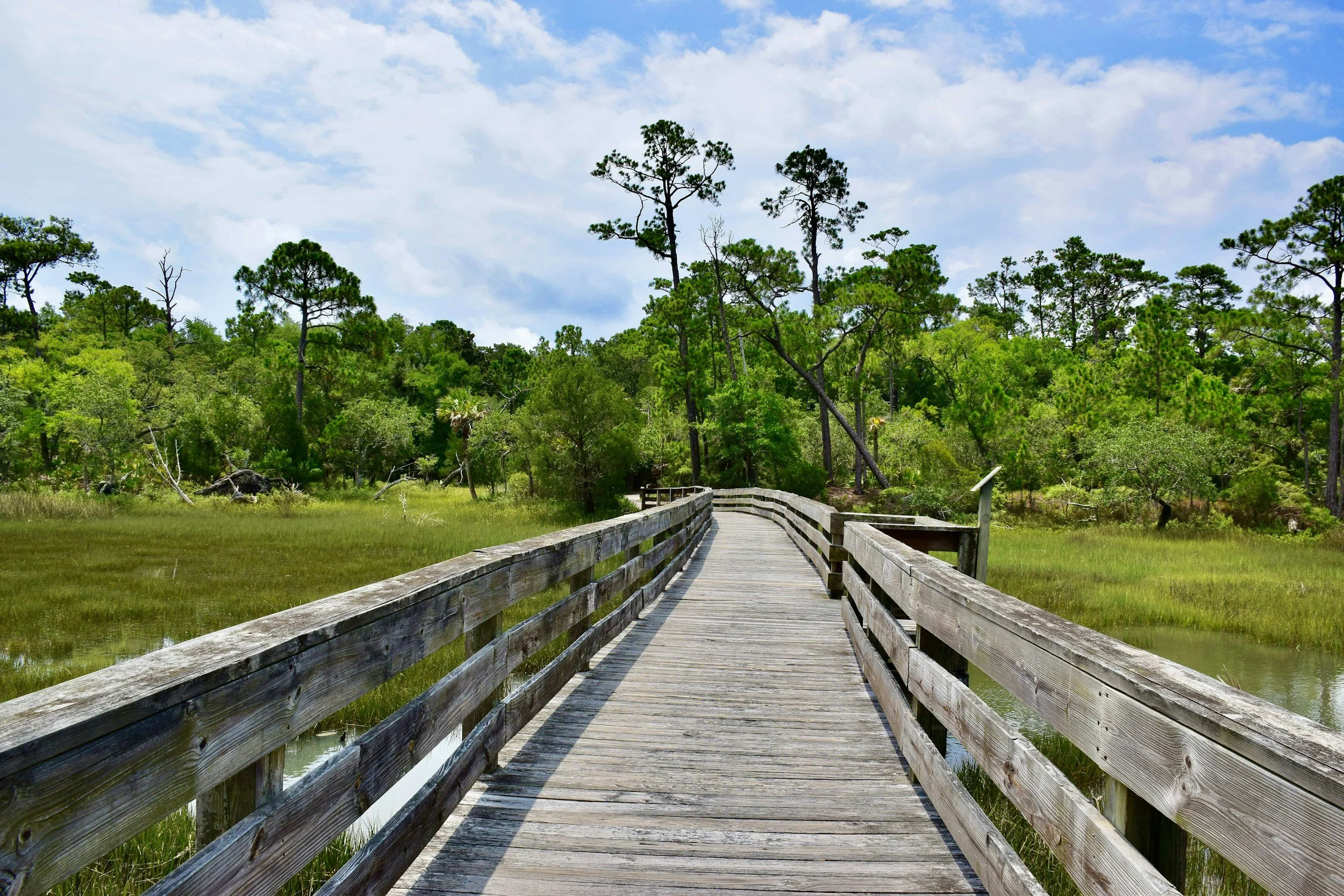
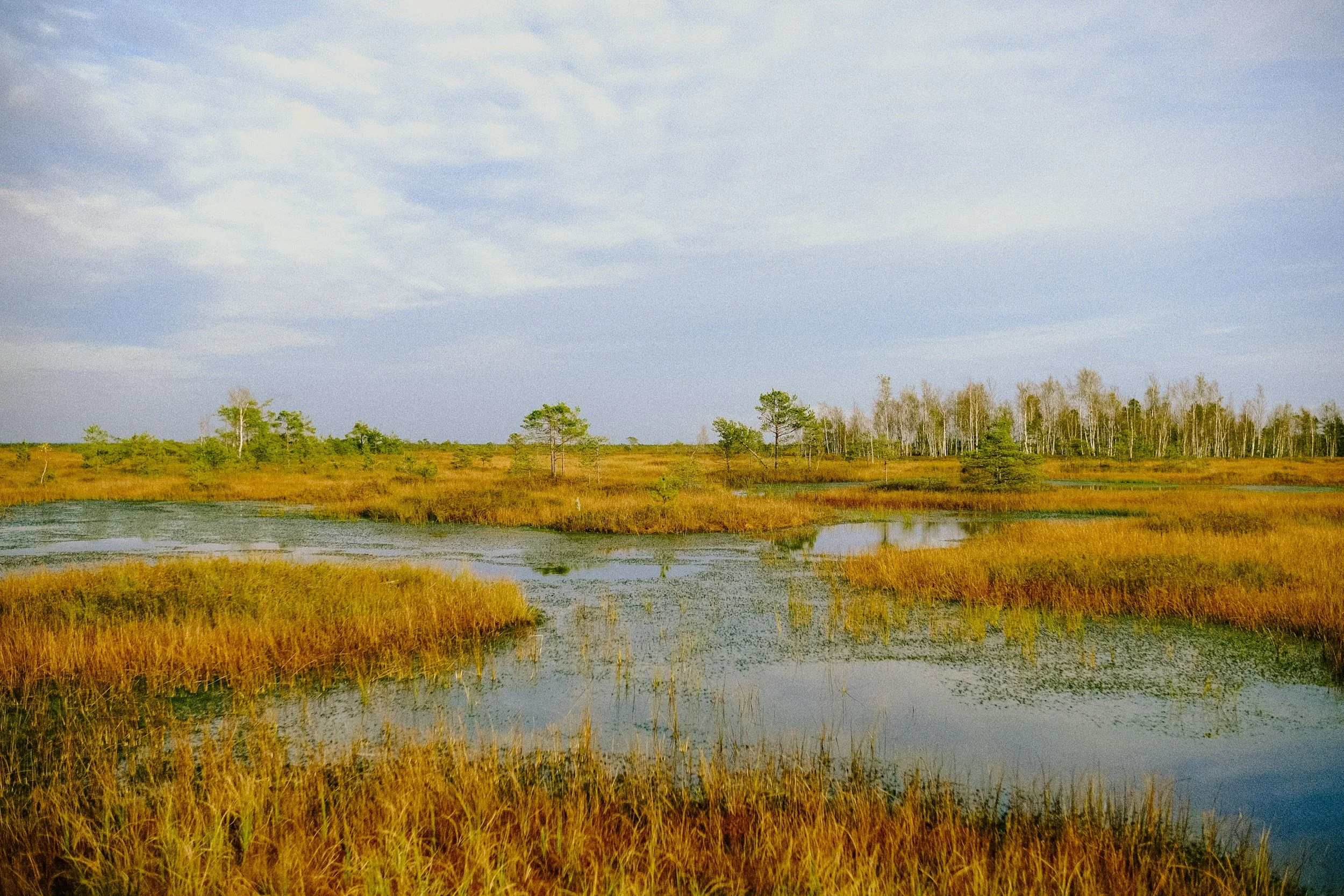
This session will highlight Hilton Head Island’s environmental preservation initiatives, showing how the community is balancing development with conservation. Attendees will learn about efforts to protect beaches, waterways, and wildlife through tree preservation, beach restoration, erosion mitigation, sustainable practices, and public engagement, as well as innovative programs like the Quench Buggy to reduce plastic waste. The session will explore how collaboration between nonprofits, government, and local stakeholders is advancing ecotourism, fostering environmental awareness, and ensuring long-term sustainability for both people and the island’s unique ecosystems.
Incorporating Resilience & Regenerative Design into the Built Environment
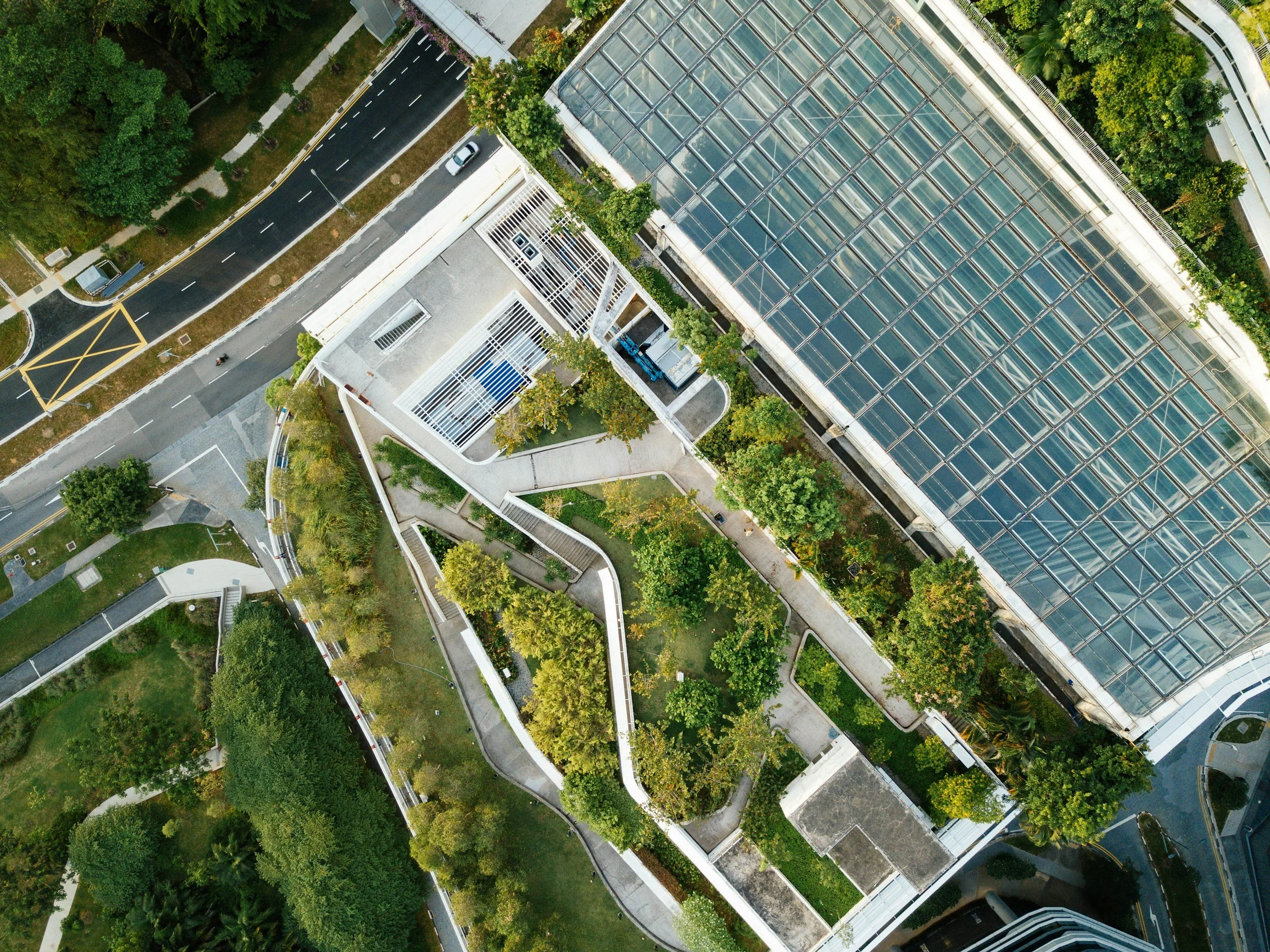
From hurricanes to wildfires, from global shocks to neighborhood upheavals—our built environment must do more than survive; it must lead the way toward renewal. In this session, we confront these urgent realities and chart a path through resilience and regenerative design. We’ll define these terms not as buzzwords but as guiding frameworks for transformative architecture. Participants will explore how architecture can be an integral part of the cycle of disaster response—from proactive vulnerability assessment to reactive recovery efforts. Join us for a compelling discussion on proactive design, civic responsibility, and the powerful role architecture can play before, during, and after disasters.
Connecting the Dots: Making Resilience Relevant in Your Community
This interactive workshop will help participants connect resilience to sustainability, wellness, and broader community challenges. Attendees will explore how communities face both sudden shocks and ongoing stressors, learn from real-world examples of cross-disciplinary resilience initiatives, and discover strategies to implement collaborative solutions that benefit people, the environment, and overall community well-being.
A Conservation Outcome: South Carolina’s Newest Tool
This session explores Beaufort County’s implementation of South Carolina’s first Green Space Program under the 2022 County Green Space Sales Tax Act. Attendees will learn how this new funding mechanism supports long-term conservation, integrates with land use planning, and influences future development decisions. Real-world project examples will highlight how the program achieves permanent conservation outcomes while balancing growth and community needs.
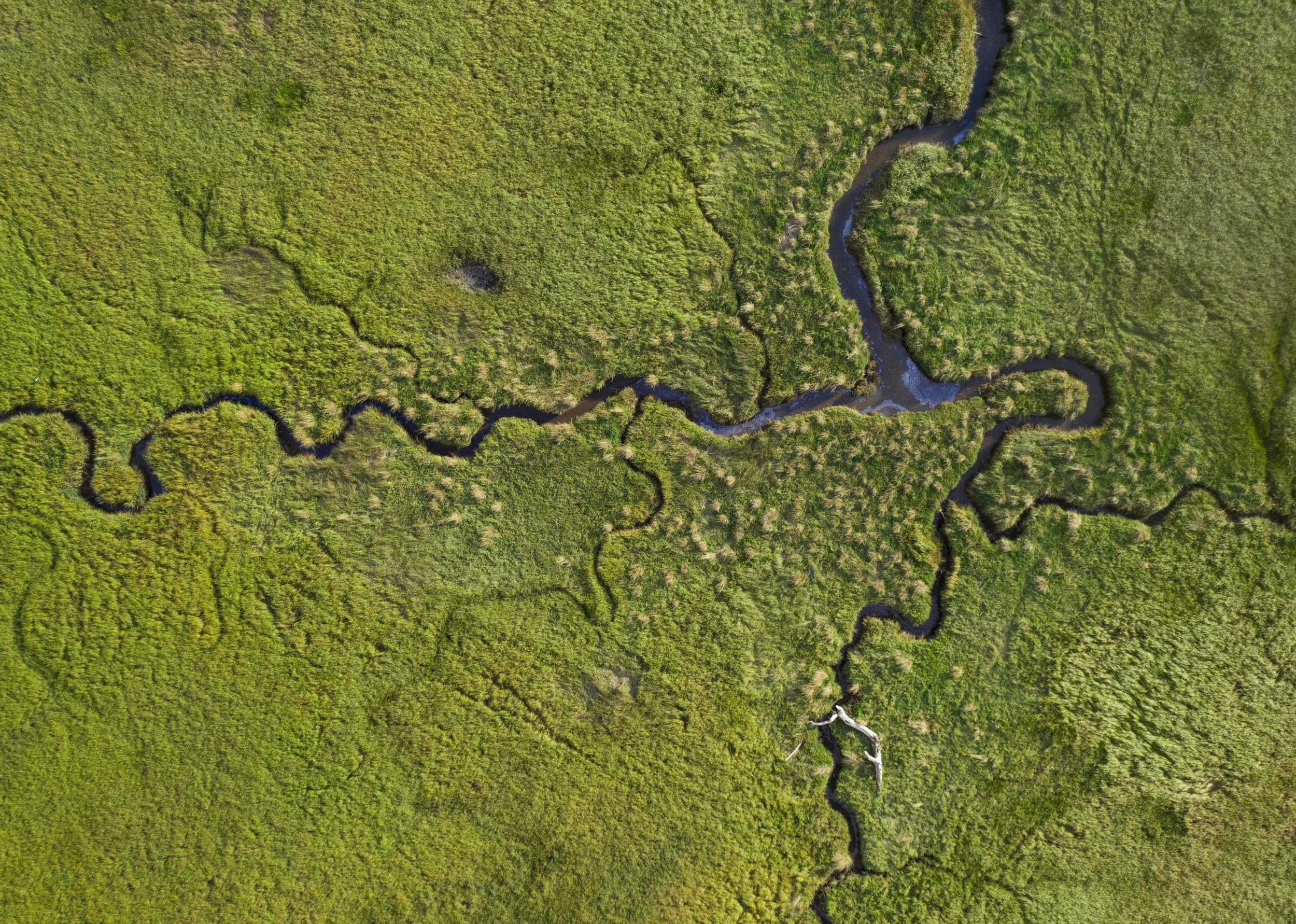
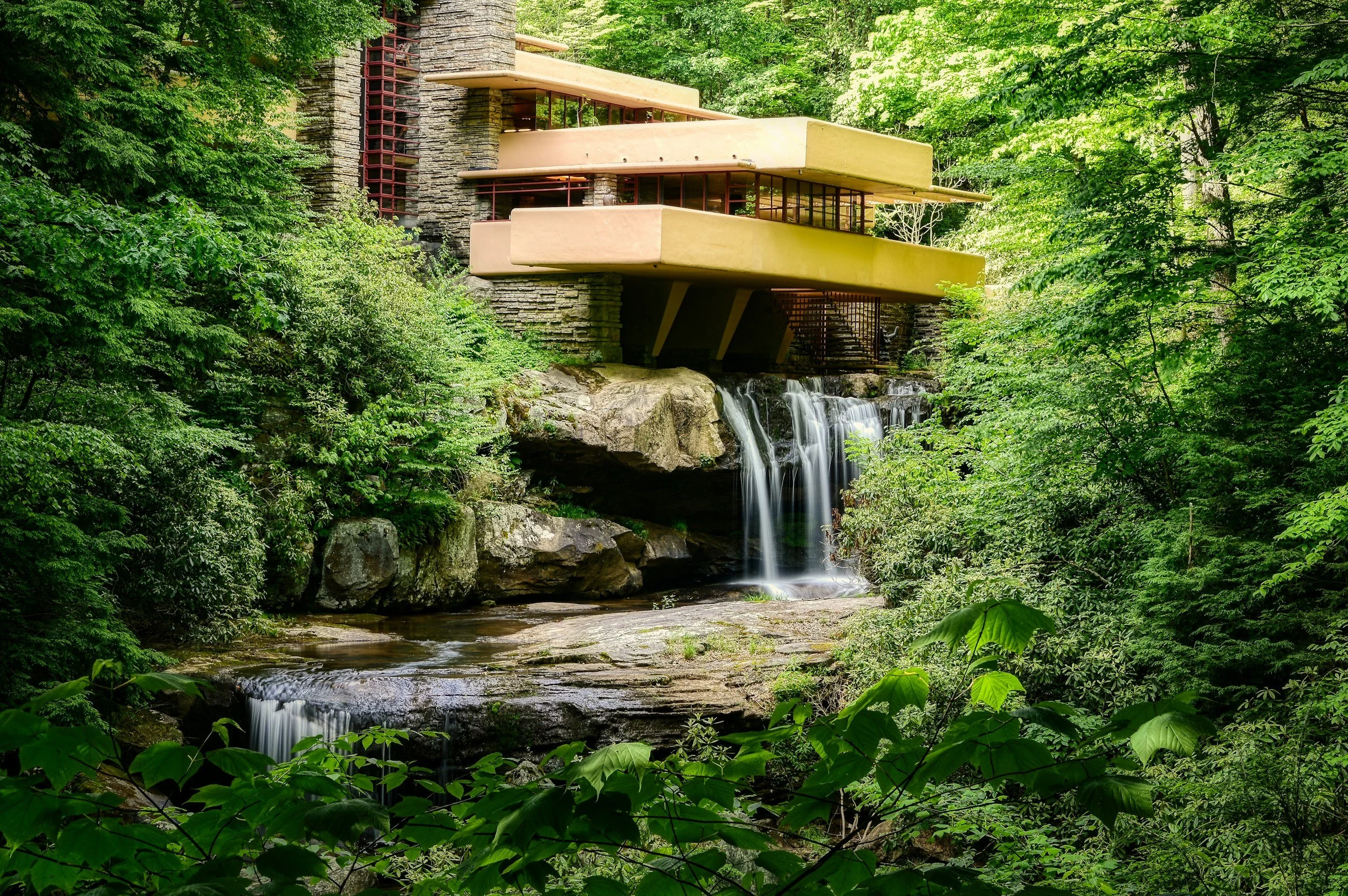
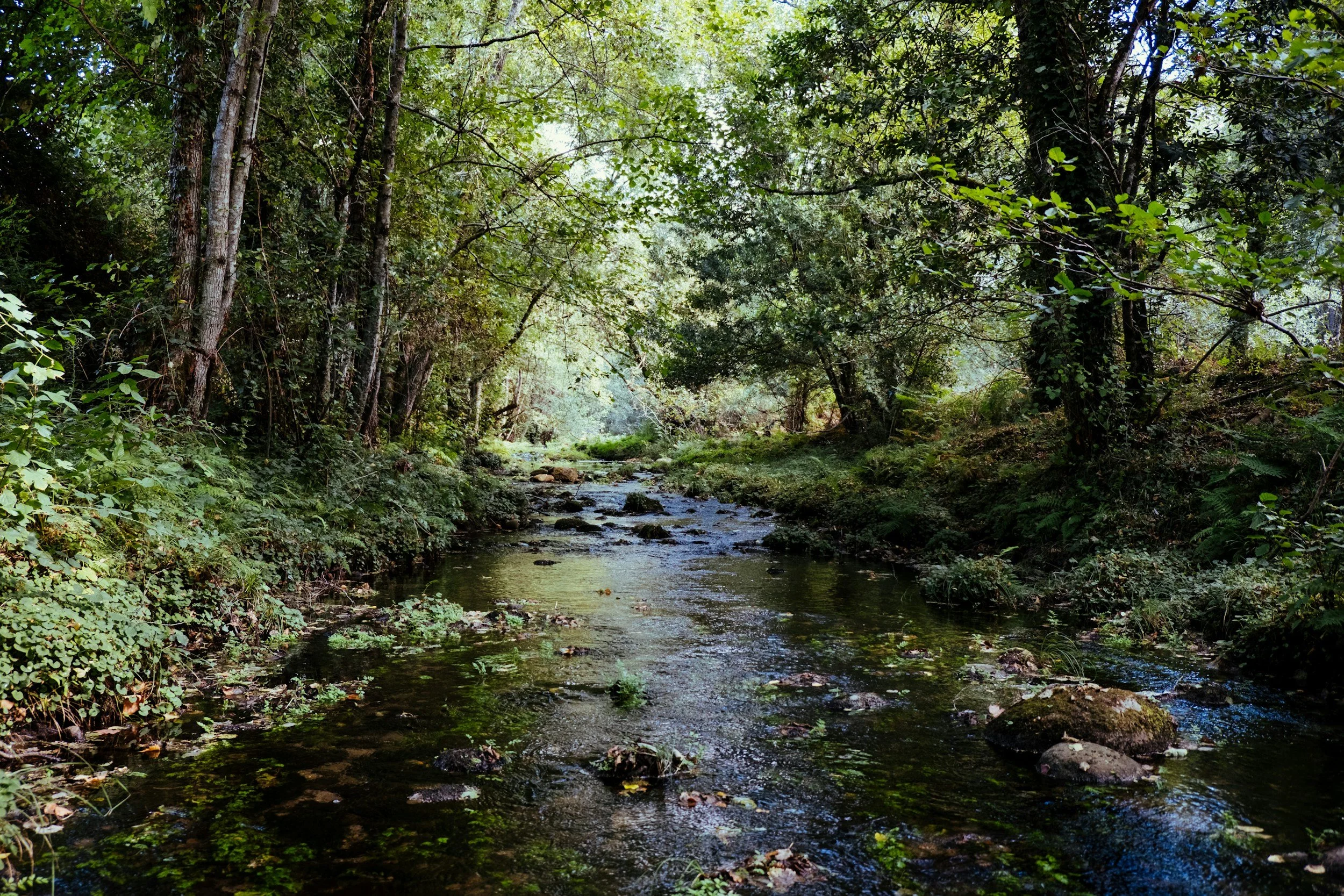
Stream Restoration as Placemaking: A Multidisciplinary, Collaborative Approach to Stream Restoration in Public Places – Stream Landscape Architecture and Greenway Collaboration
In recent years, there has been a notable shift: The rise of opportunities to integrate stream restoration into public spaces. These projects are now being woven into the fabric of public parks, campuses and commercial and residential developments, all with the intentional goal of fostering meaningful public engagement with restoration efforts. We aim to underscore the significance of ecological restoration. Emphasizing the value of addressing challenges of aligning environmental objectives with placemaking and offer practical insights into effective strategies for interdisciplinary communication and collaboration.
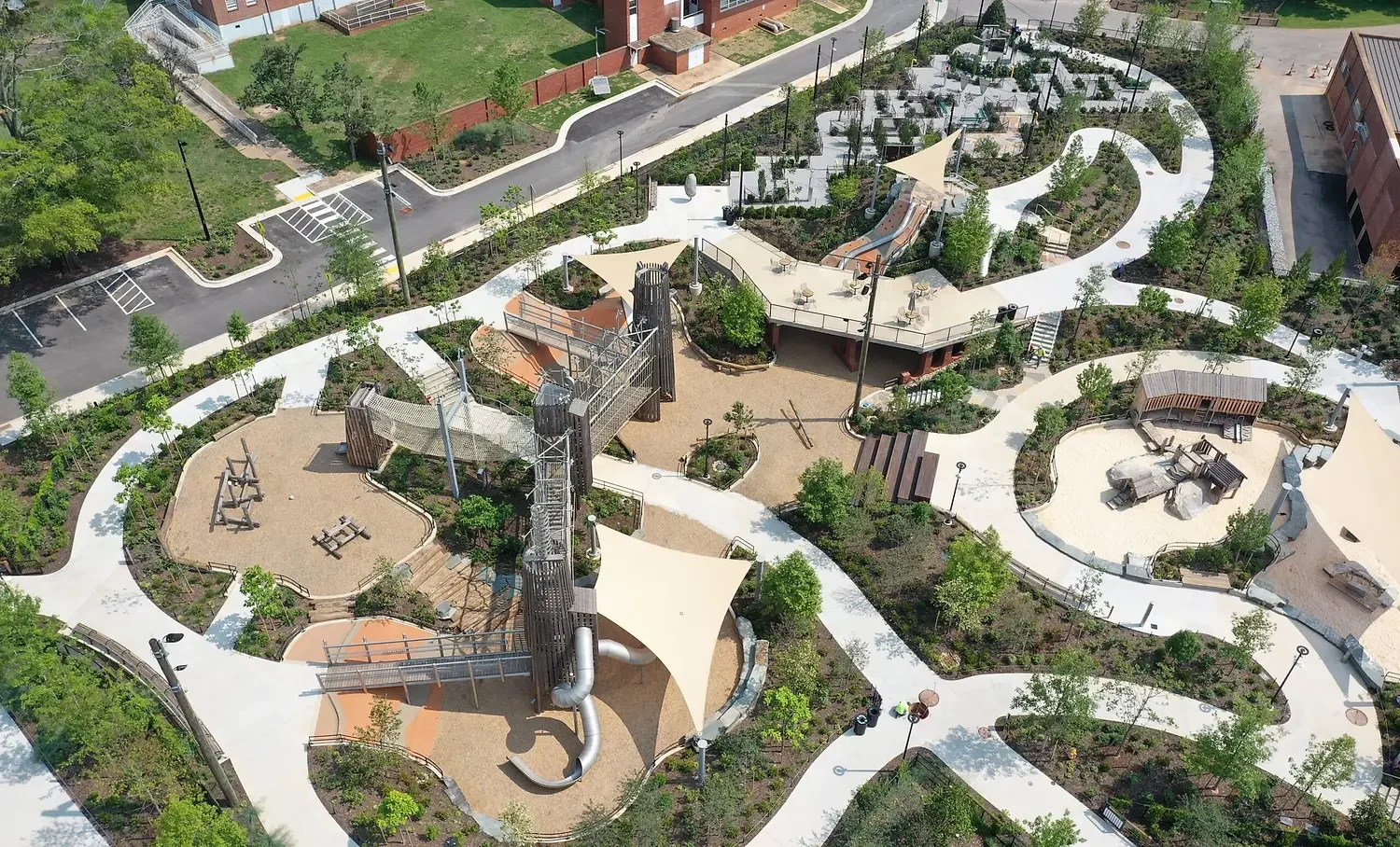
Photos from McAdams
Dix Park – GSI and Landscape Architecture Collaboration
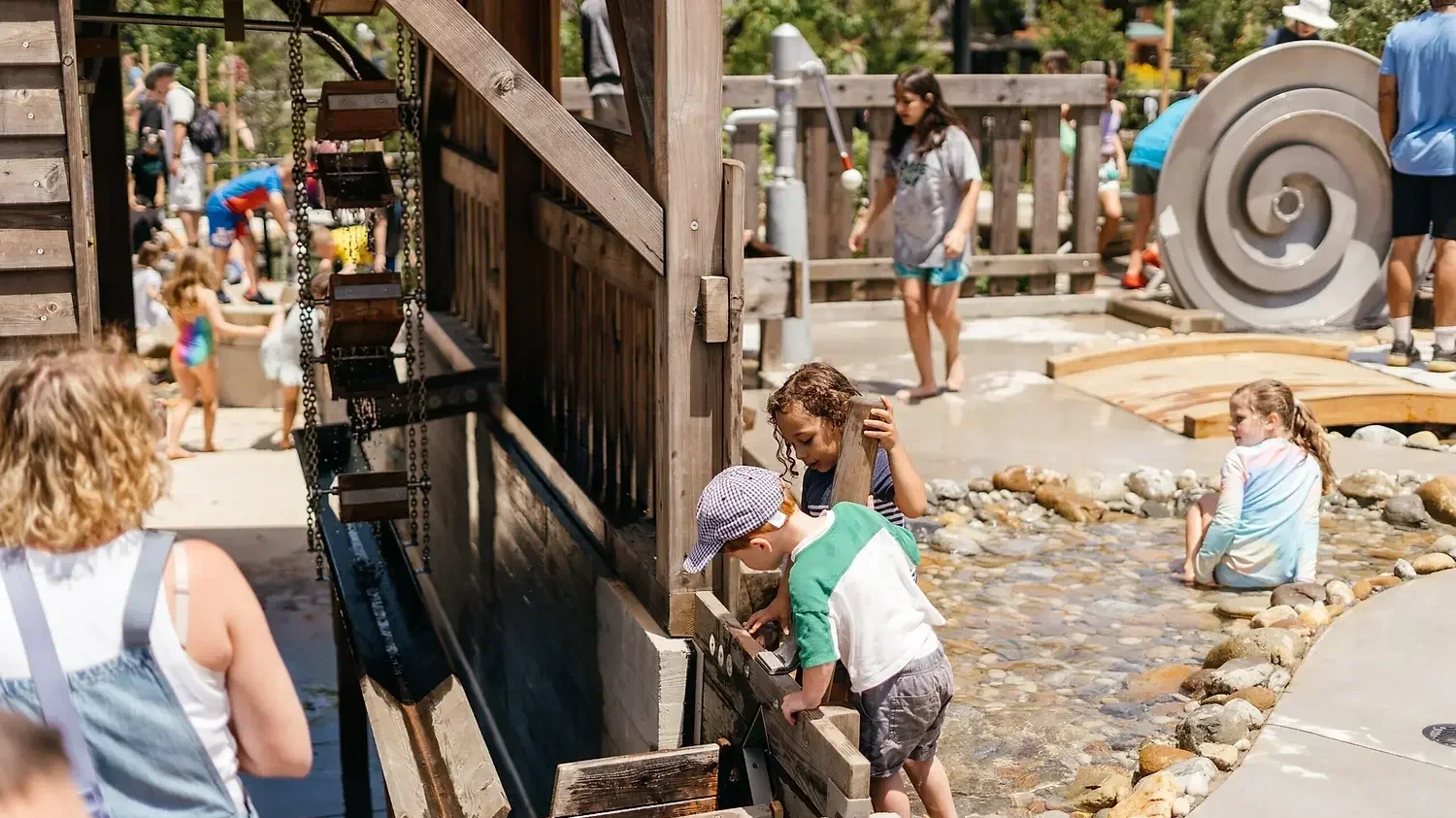
The Gipson Play Plaza exemplifies the City of Raleigh’s commitment to integrating green stormwater infrastructure and landscape architecture into public spaces, manifesting constant contact between the Park’s visitors and nature. Providing innovative flood reduction measures that protect neighboring communities and enhance water quality. A new parking lot is seeded with permeable pavement and bioswales, as well as a water garden that incorporates a meandering recirculating stream. A Native forest habitat, with babbling waterfalls, water cannons and watermills piquing the curiosity of children and adults.
By now, most communities have a plan, or at least a big idea, for a community trail or a trail network. What do you do, next? How to you transform your big idea into an implementable project? Using real world examples, attendees will learn how to plan for trail feasibility studies which serve as a bridge between planning and construction. Come out to learning about how to budget for a feasibility study, what one should include, and how to keep the community engaged as you build momentum for the next stages of trail development.
The Next Steps of your Big Idea

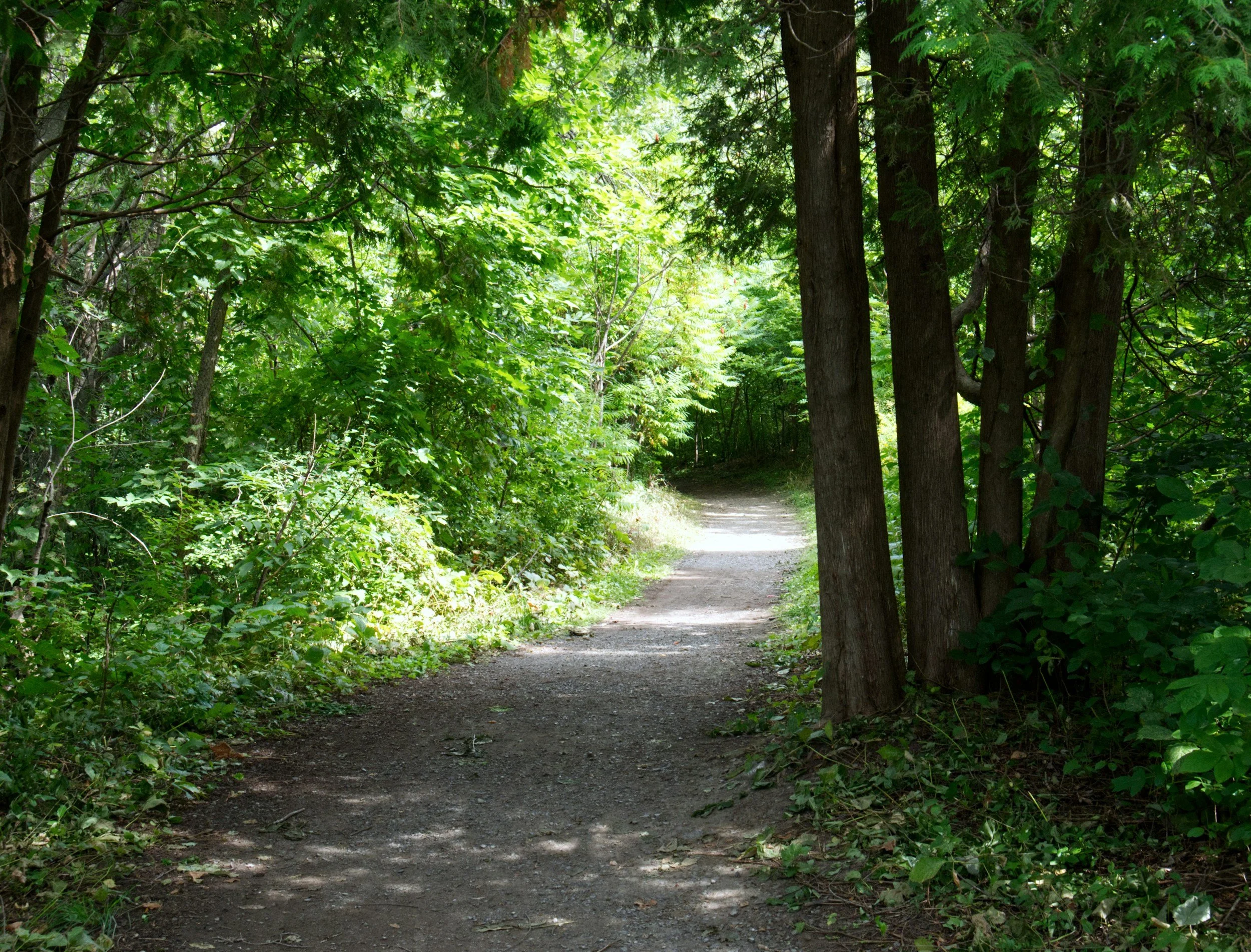
Fortune Springs Park has a storied history. It’s public use as a park is well documented since the early 1900s, but its story starts during the Revolutionary War with a slave named Pompei Fortune. Learn how principles of resilient design and landscape architecture were used to recover this park…not once, but TWICE! From design interventions in the early 1970s by famed Landscape Architect, Robert Marvin, to recent green infrastructure upgrades to support another century of use.
Recovering Resilience - The Lost Treasure of Fortune Springs
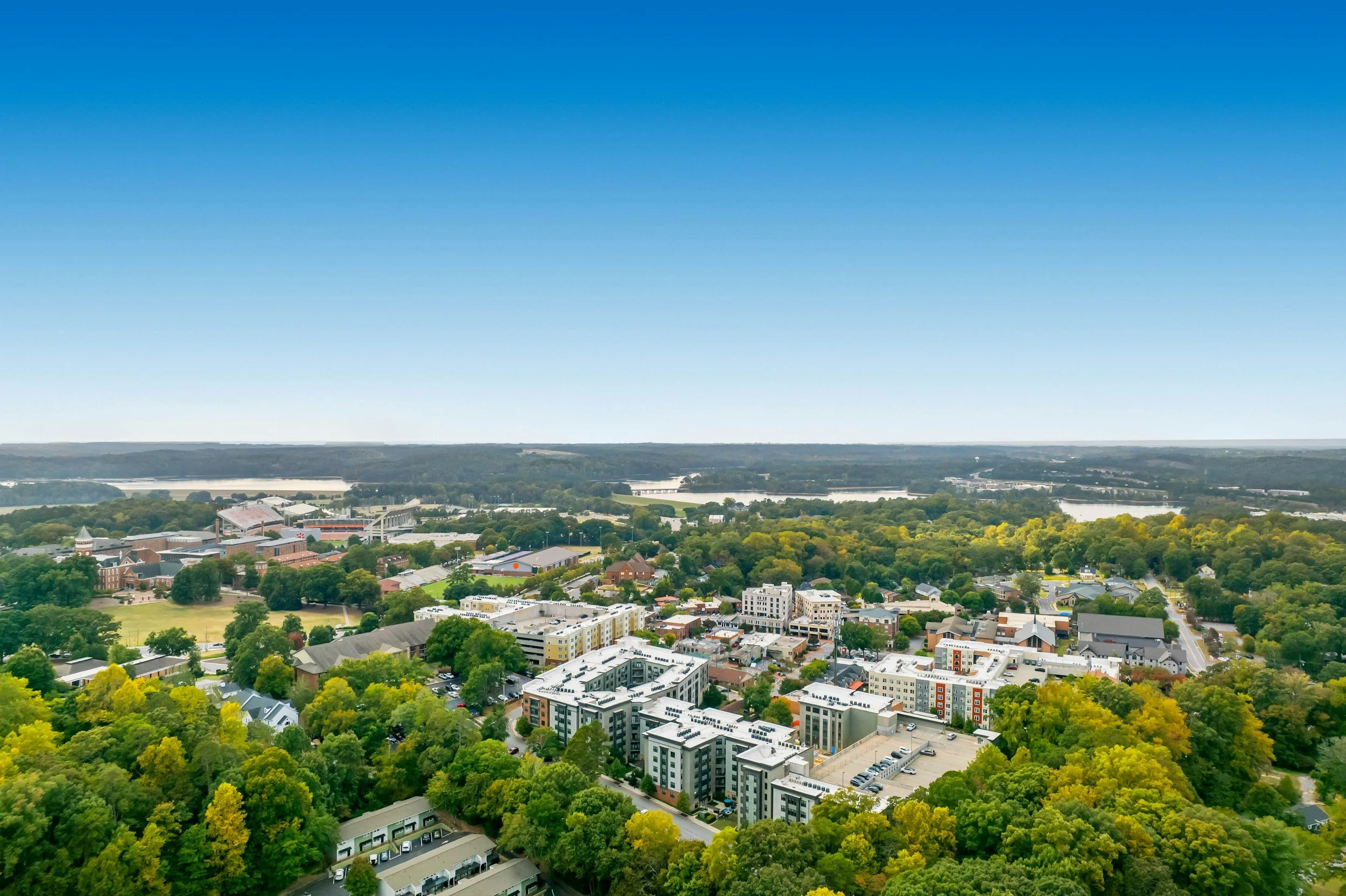

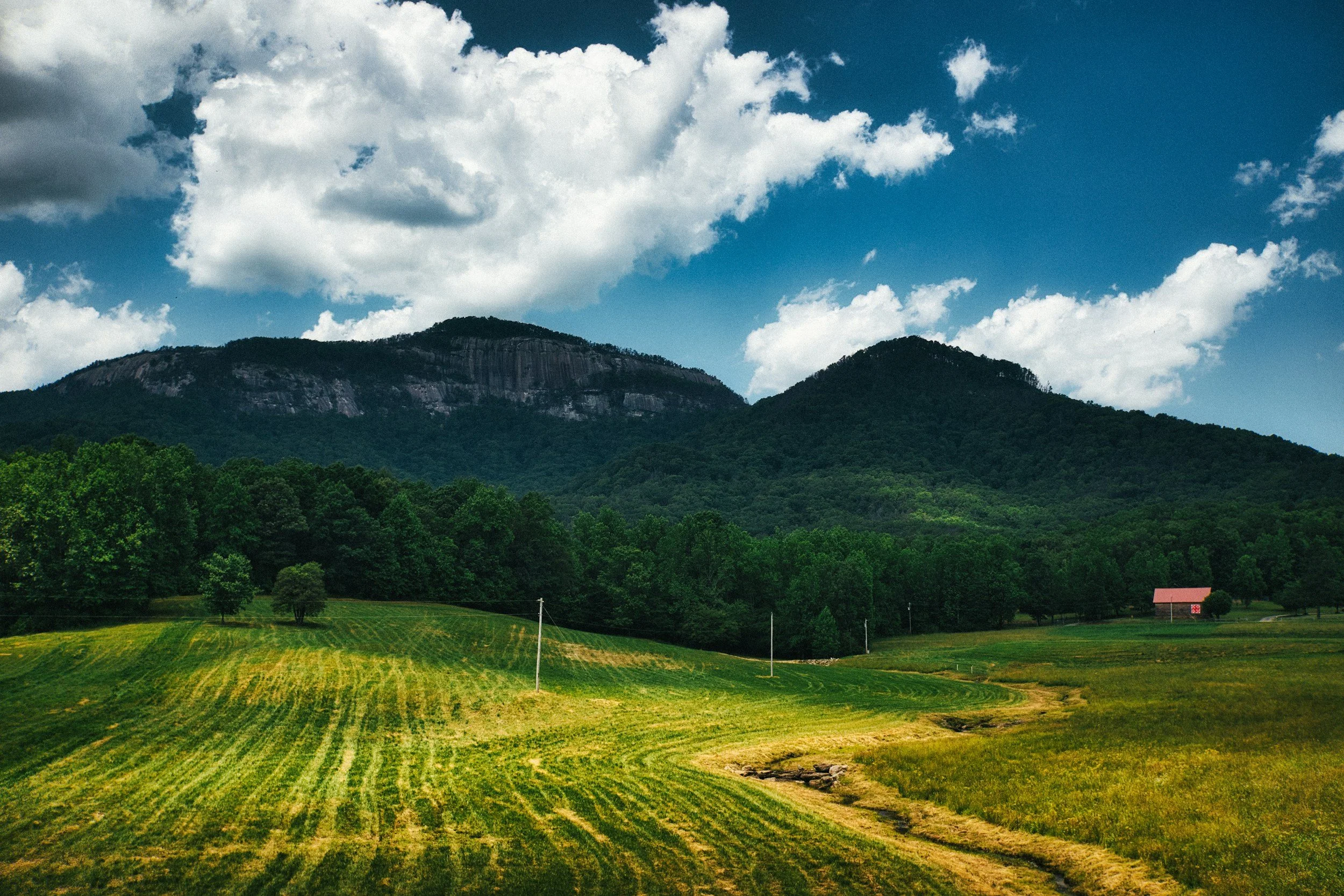

Though separated by geography, Mount Pleasant and Pickens County share a common goal: protecting natural resources while planning for the future. This conversation highlights how each community’s conservation story led to tangible policy outcomes—from wetland protections to land-use ordinances—and offers practical takeaways for local governments seeking to balance growth, resilience, and stewardship.
policy with purpose - turning local values into action
Green Tools for a Blue Planet: Sustainable Outdoor Practices for a Resilient South Carolina
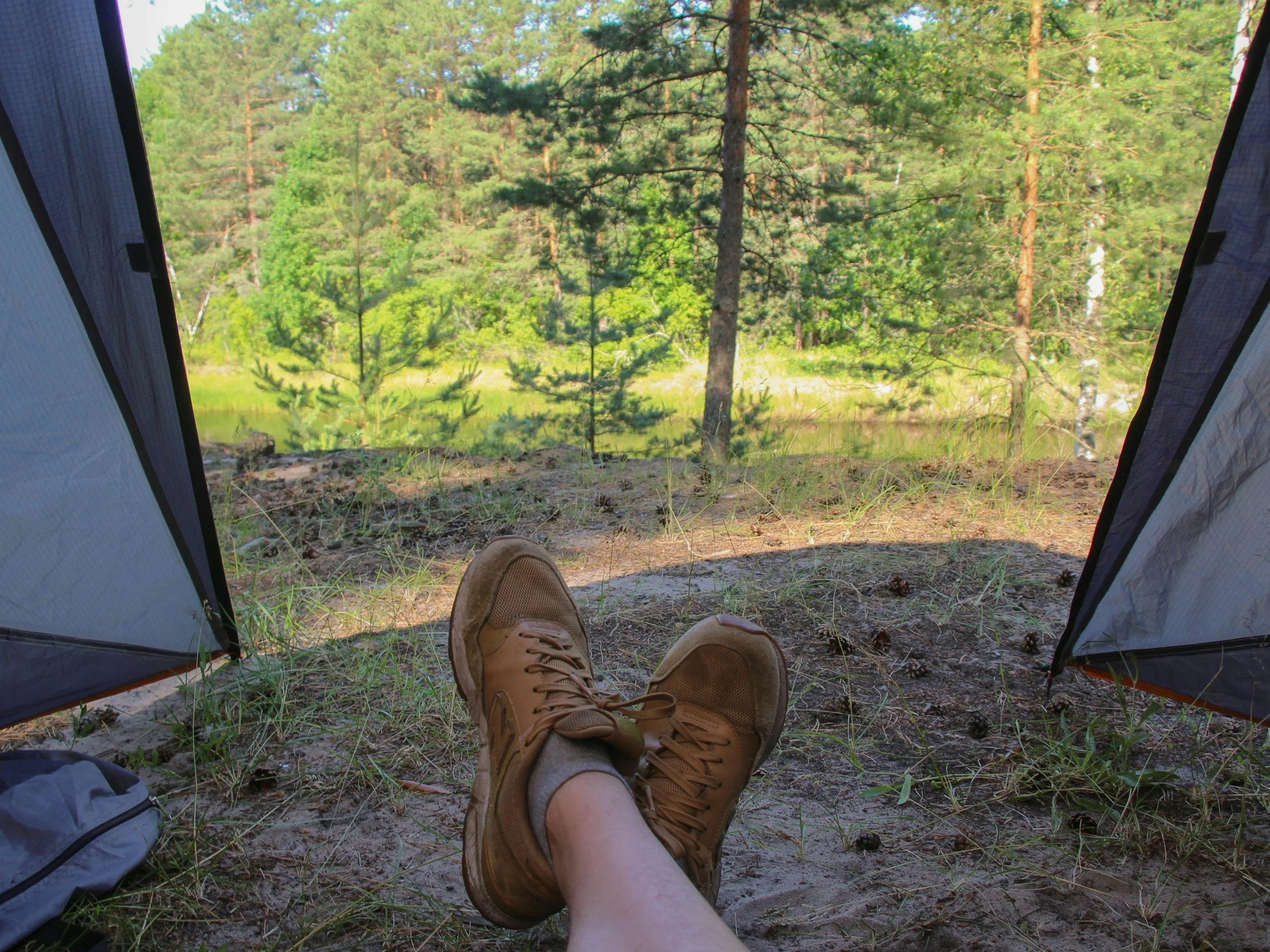
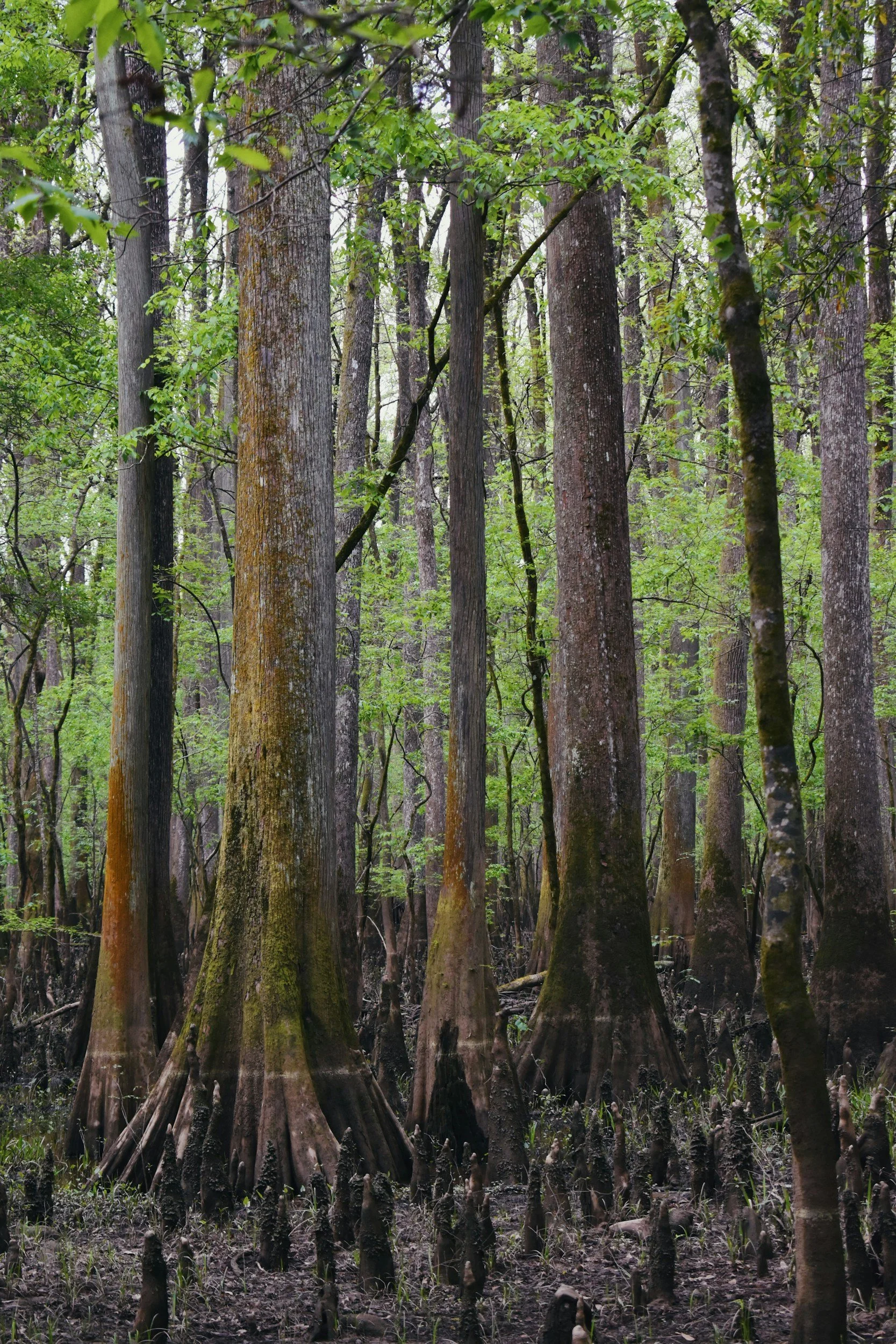
This session highlights practical, accessible “green” tools and strategies South Carolinians can use to protect the natural spaces they enjoy. Focusing on simple actions during outdoor activities, participants will learn how sustainable practices support environmental stewardship, enhance physical and mental well-being, and help preserve the Palmetto State’s natural heritage for future generations.
Fostering Healthy Communities and Resilience Through Plant Selection and Conservation
This presentation will highlight the work of the SC Botanical Garden and partner organizations to champion plant conservation efforts, provide healthy communities for people and planet and build resilience into our landscapes. We’ll explore the critical role plants play in our landscapes and how our changing climate is already having substantial effects on natural systems and the benefits they provide. Martin will share important considerations when selecting plants for landscape projects like drought tolerance, heat resistance, and climate resilience. Additionally, we’ll discuss factors that impact plant survival and delve into the benefits of native plants for local ecosystems and wildlife.



A Statewide Model for Healthy People and Healthy Places
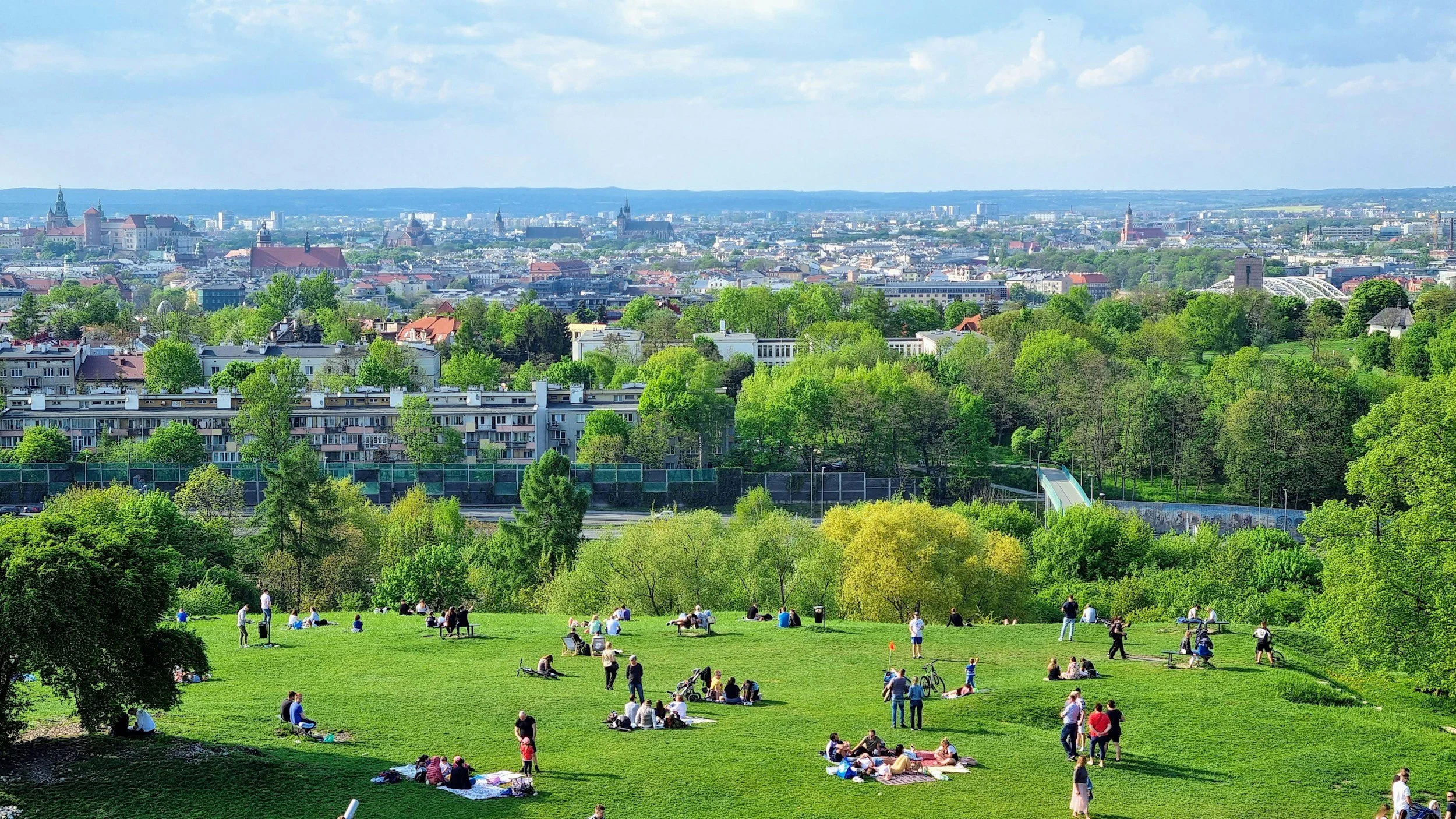
Research shows that time in nature supports better mental health, cognitive function, andoverall wellbeing, yet most people spend little time outdoors. This plenary introduces Nature at Work, a statewide model that translates nature and health research into practical strategies for workplaces and communities. Grounded in a Nature-Based Health Promotion Model, the session highlights how connecting people to place can improve health, strengthen resilience, and support healthier people and healthier places across South Carolina.
Water, Wellness, and Work: The Blue Mind Connection in South Carolina


This moderated panel explores the science of “Blue Mind” and the health benefits of time spent in, on, and near water. Susan Johnson, Founder & CEO of Nature at Work, will open with brief framing remarks before panelists from the South Carolina Aquarium, Warrior Surf, and Coastal Expeditions share short examples of water-based programs that support mental health, wellbeing, and resilience. The session concludes with a facilitated discussion and audience Q&A focused on practical applications across workforce and community settings.

Practical Food Strategies to Improve Productivity, Focus and Energy
Most people try to push through low energy, brain fog, and poor focus with more caffeine or more sugar but those strategies often make things worse. In this practical talk, you’ll learn how the foods you eat directly affect your energy, focus,and productivity throughout the day. We’ll explore simple, food-first strategies and supplement suggestions where appropriate that support steady energy, clearer thinking, and better stress resilience. Principles of Nutrigenomics will also be discussed. Nutrigenomics is the study of how the foods you eat interact with your genes to optimize gene function and influence how your body functions. This talk will provide easy nutrition guidelines, realistic food swaps, and recipe ideas you can start using right away to fuel your body and brain more effectively.

Plugging the Drain: Litter’s Economic Toll and the Power of Prevention
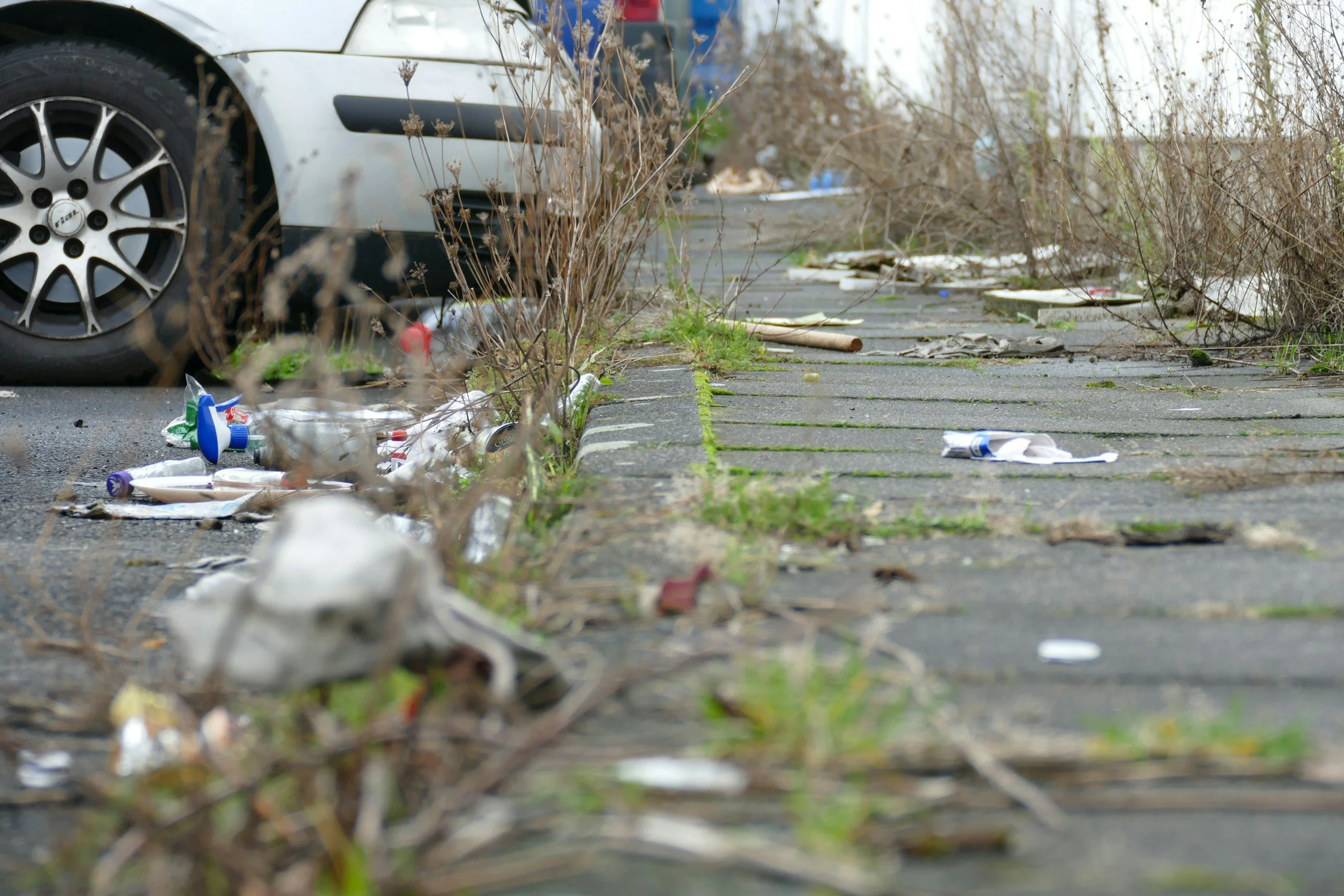
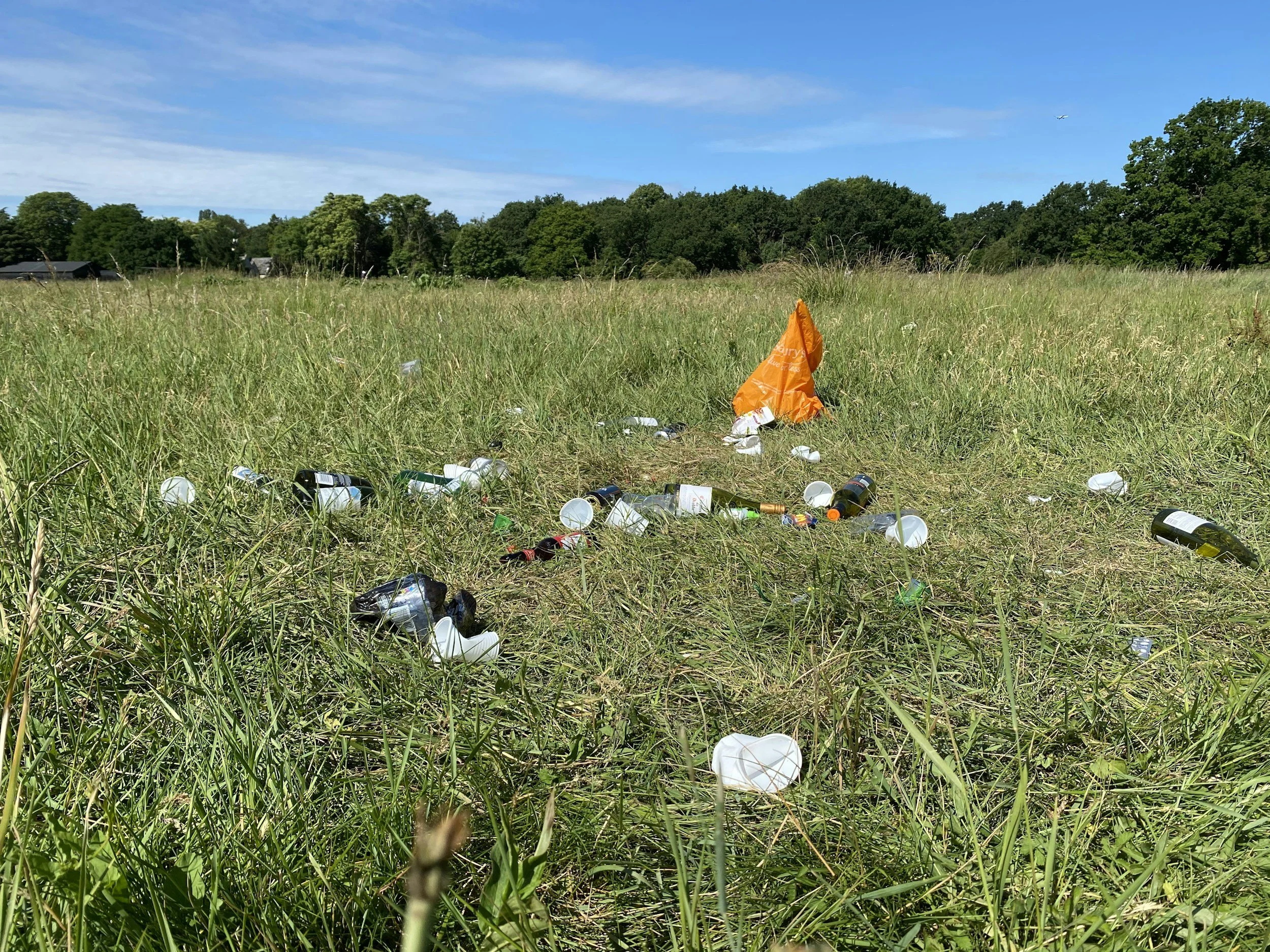
Litter signals decline — a form of silent depreciation affecting communities across South Carolina. Local governments spend millions addressing its ripple effects, from strained stormwater systems and roadway hazards to reduced tourism appeal and deterred business investment. What may seem like a quality-of-life issue is, in reality, a recurring drain on public budgets and community health. Reframing litter as an economic liability is essential to shift spending from the futility of perpetual cleanup to the payoff of strategic prevention — an investment that safeguards infrastructure, strengthens tax bases, and reinforces long-term community resilience. This session will also provide a first look at a groundbreaking new Economics of Litter curriculum for South Carolina high schools, equipping the next generation to grasp the true costs of litter and understand strategies that support stronger, more resilient communities today.


FROM NATURE TO INNOVATION: REIMAGINING EVERYDAY PRODUCTS FOR SUSTAINABILITY
To solve the issues with microplastics and various waste streams (coal ash, PFAS, and agricultural waste), innovative technologies will need to be developed and embraced. Mosaic Color and Solv Technologies have developed economical and scalable solutions for single-use plastics, recycled coal waste, recycled content paints, stains, and degradable agricultural film. We will not only be discussing problems, but also the potential solutions. These solutions have been designed and will be manufactured in Greenville, SC. This is the culmination of 6 years of research and design using LCA, GHG, and processor-driven solutions. The future is now, and it’s here.
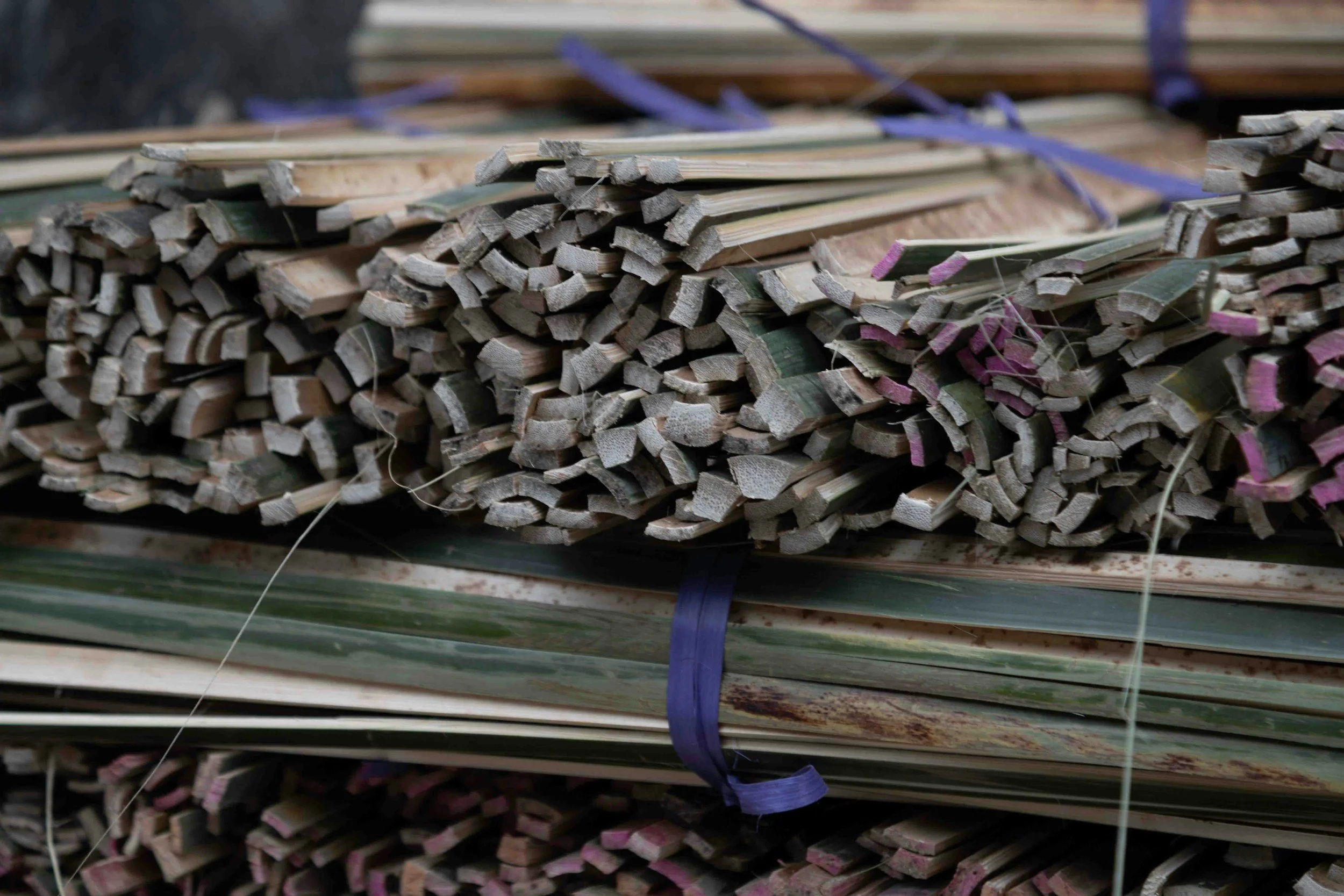
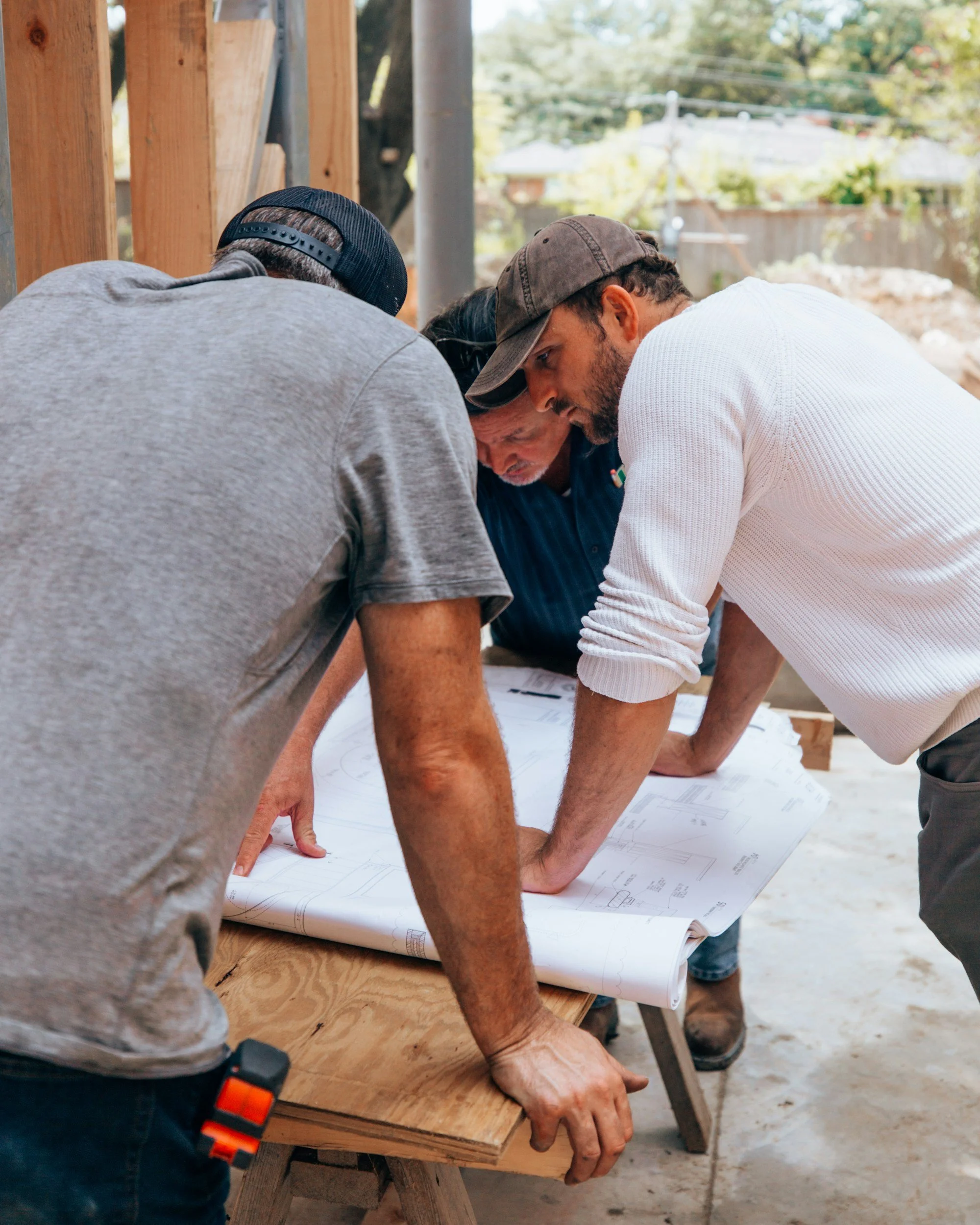
Rapid development across South Carolina has transformed our region’s natural landscapes with new homes and unprecedented demolition of old buildings, threatening the region's cultural heritage and straining our landfills. Dr. Alan Todd, founder and executive director of Conway Architectural Salvage and Heritage Project, will discuss the nonprofit’s efforts to keep our region’s historic building materials out of the landfill to be reused for the wellbeing of our local communities.
Deconstruction and the Rise of the Material Reuse Movement
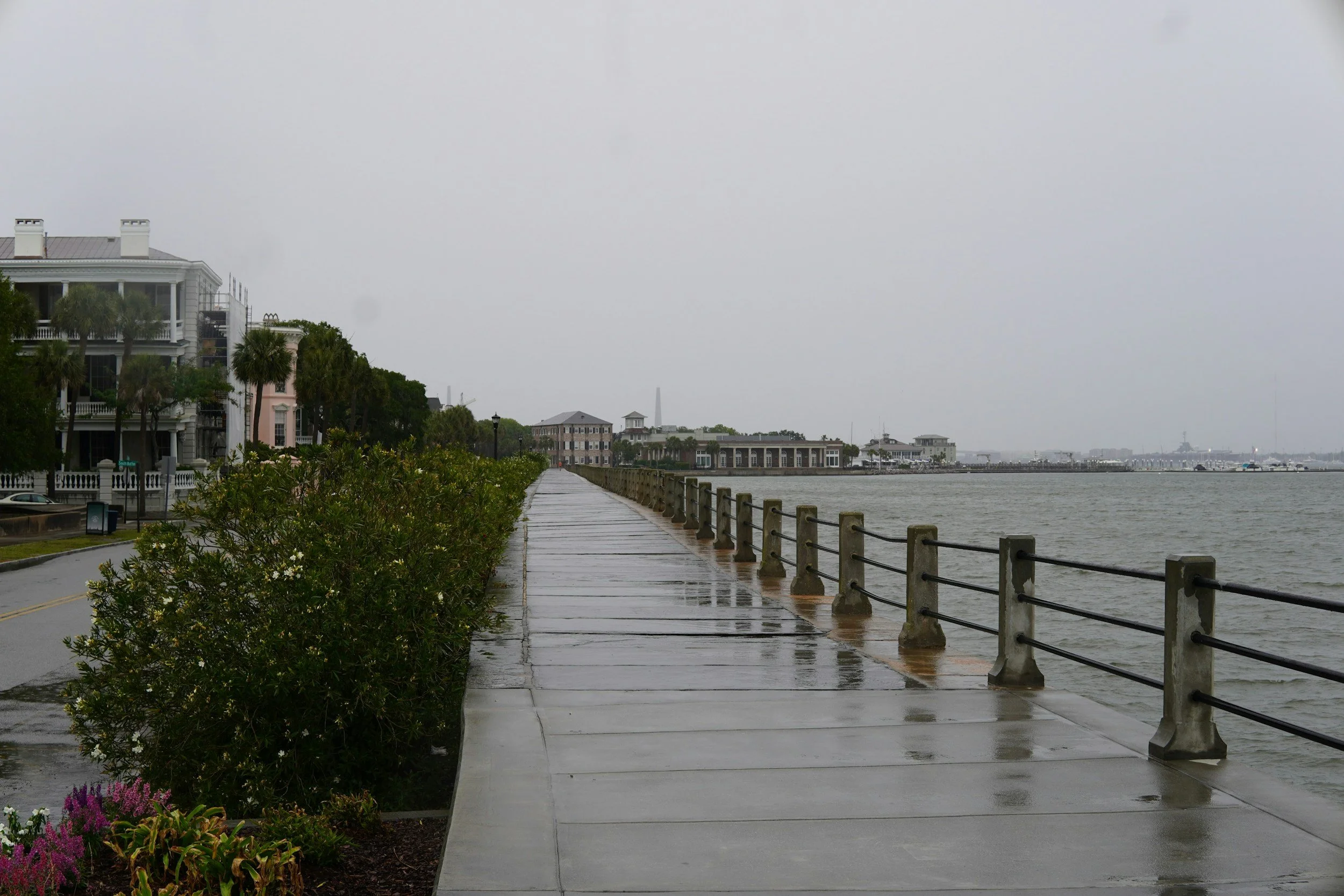
Introduction to the American Flood Coalition & Framework for Flood Resilience
An overview of AFC and our Framework for Flood Resilience, highlighting how the framework supports communities in advancing practical, bipartisan flood solutions.
Building Resilience into Recovery After Hurricane Helene - Panel
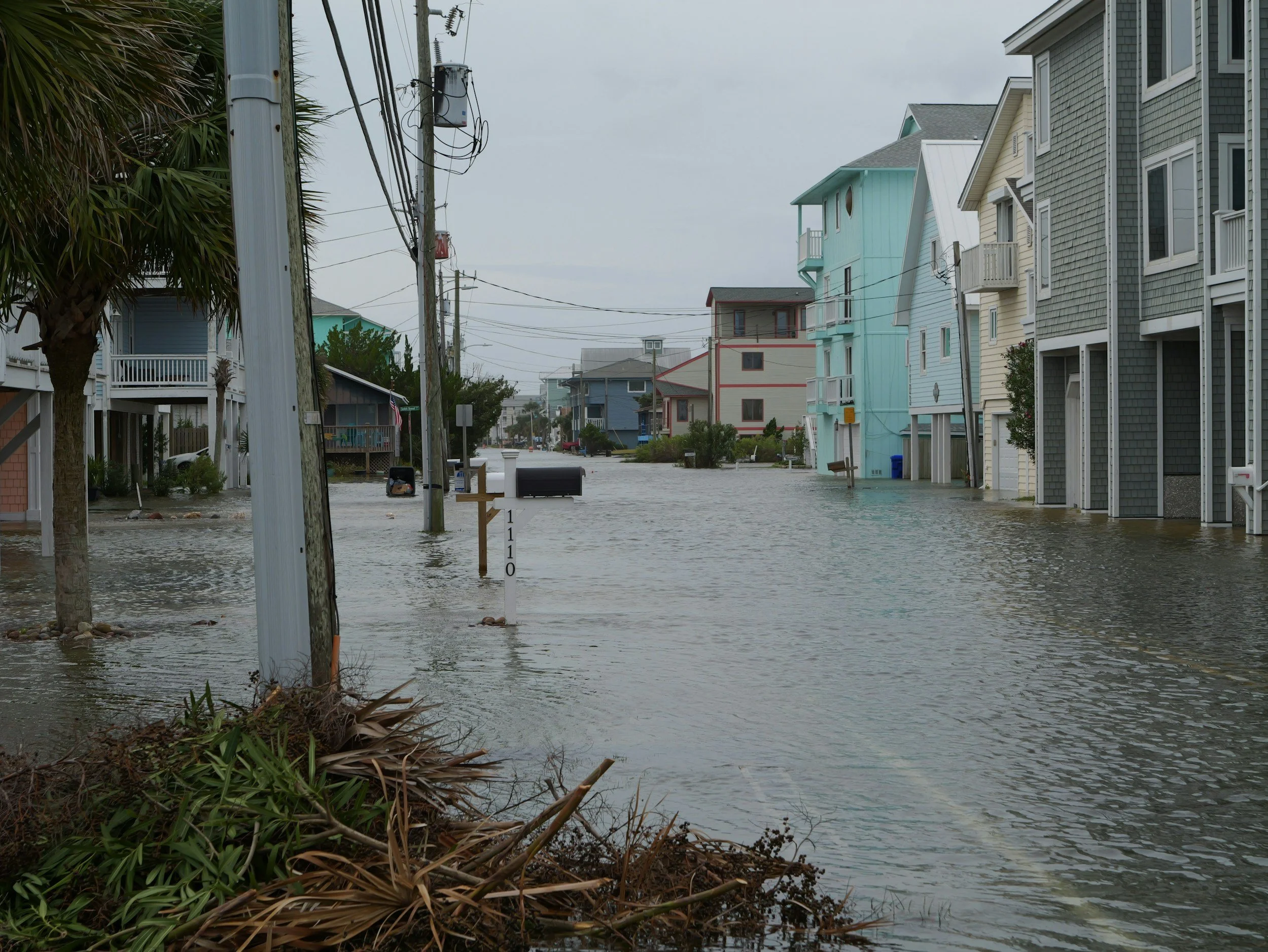
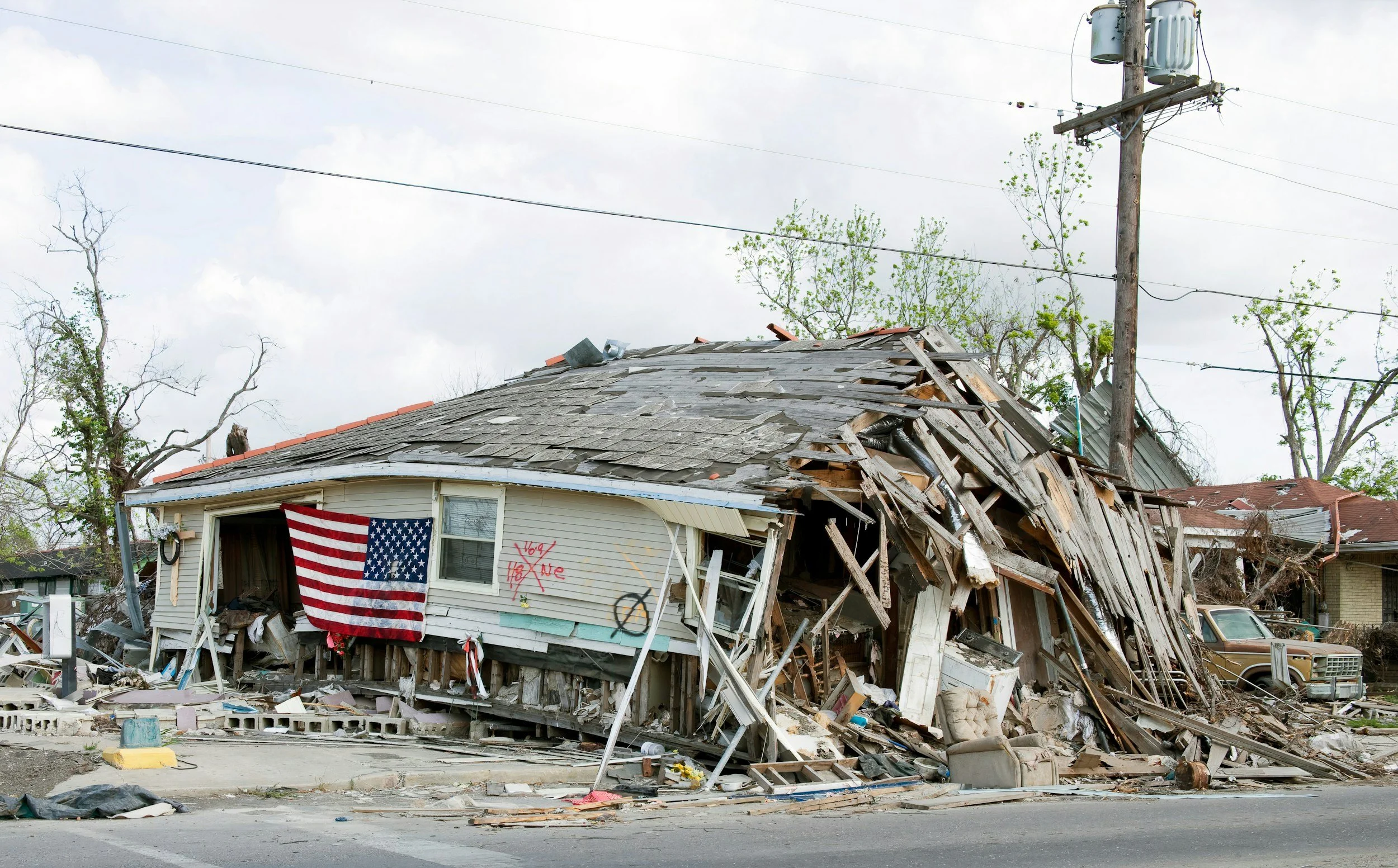
The Building Resilience into Recovery After Hurricane Helene panel will explore how local leaders in North and South Carolina are working to embed long-term resilience into disaster recovery efforts following Hurricane Helene. Featuring perspectives from SC and western NC local leaders, the discussion will highlight lessons learned from the recovery process, strategies for aligning short-term rebuilding with long-term mitigation goals, and opportunities to strengthen coordination across levels of government.
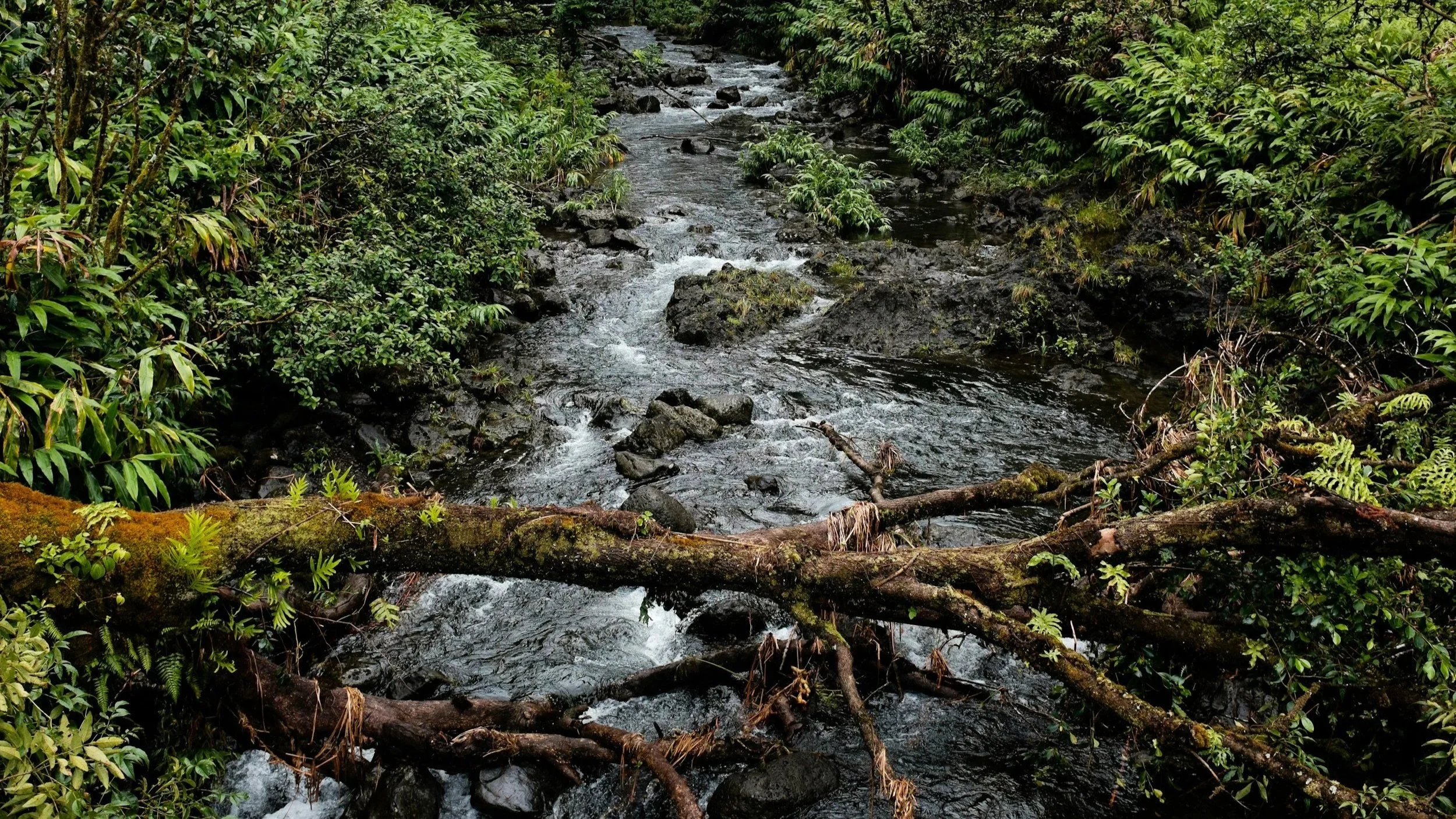
Watershed Planning by States - Panel
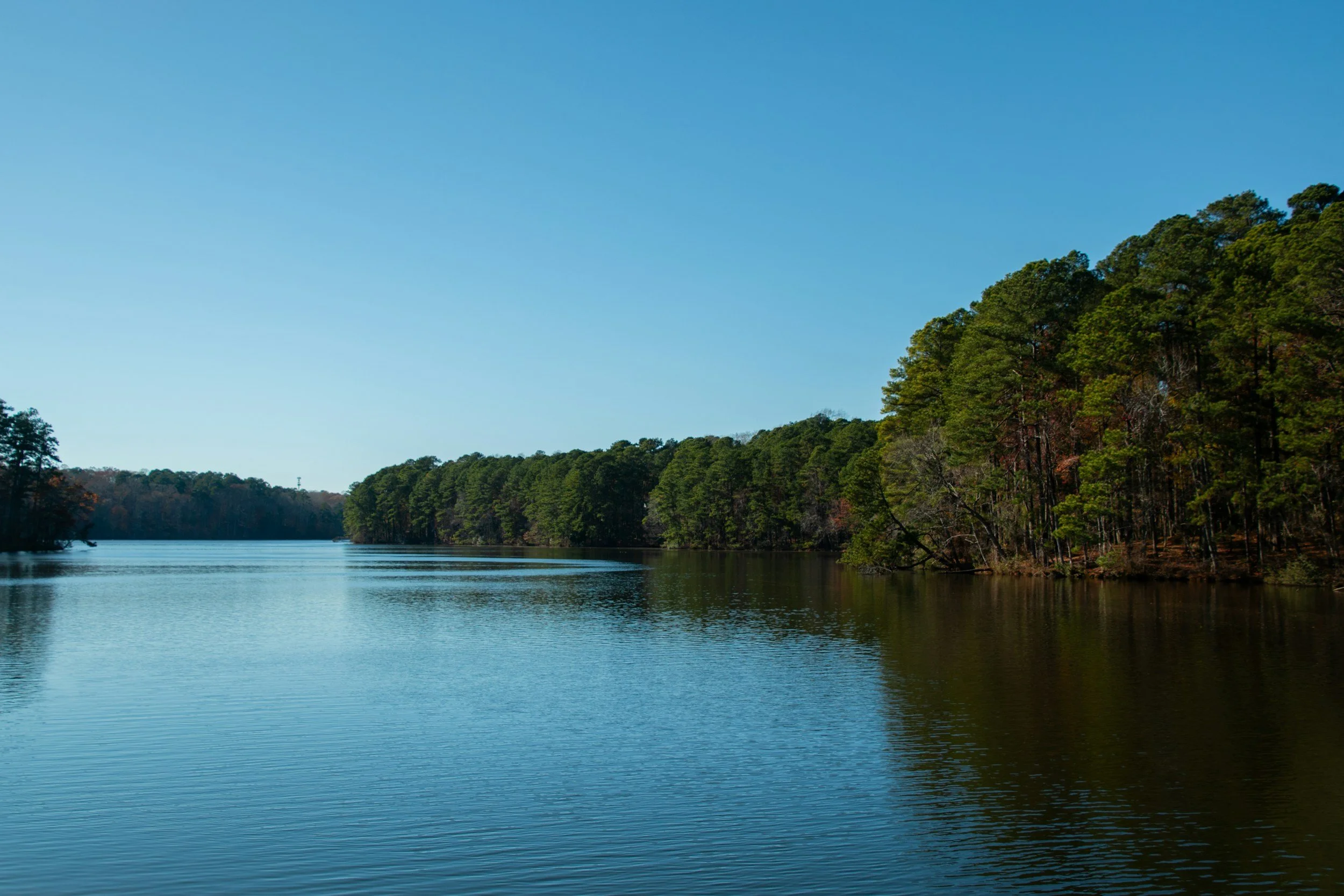
A multi-state discussion on watershed-based planning approaches, lessons learned, and opportunities for regional coordination across Georgia, North Carolina, and South Carolina.
Writing Resilience: How Environmental Literacy Supports Health and Wellbeing
This session focuses on interdisciplinary studies of Ecological Literature and its positive effects on youth and trauma informed creative writing practices. A discussion of how to implement resiliency in South Carolina’s youth through ecological creative writing is designed for classrooms, the work force, and policy makers.

The Pulse of Resilience: Why Biodiversity Monitoring is Essential for South Carolina’s Future
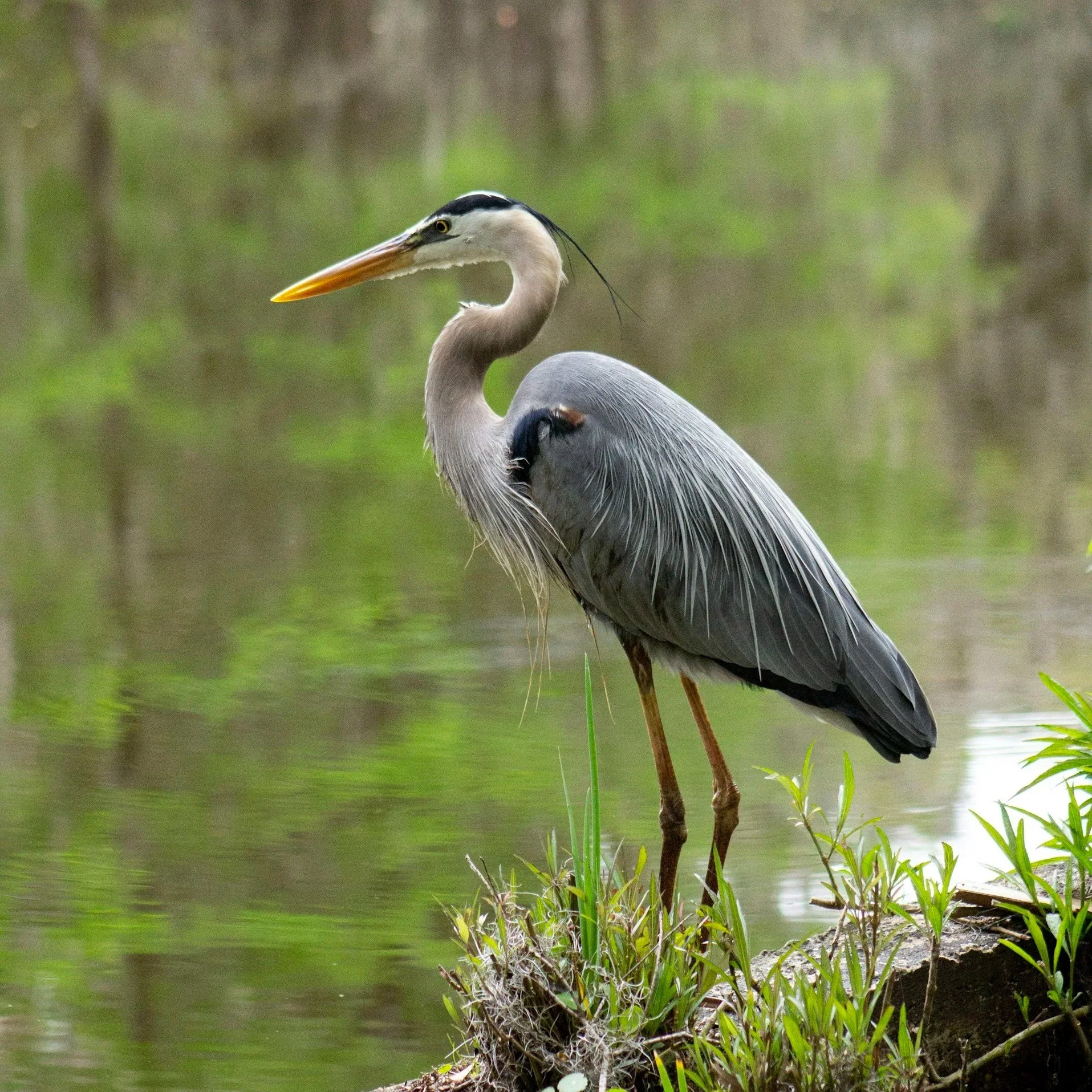
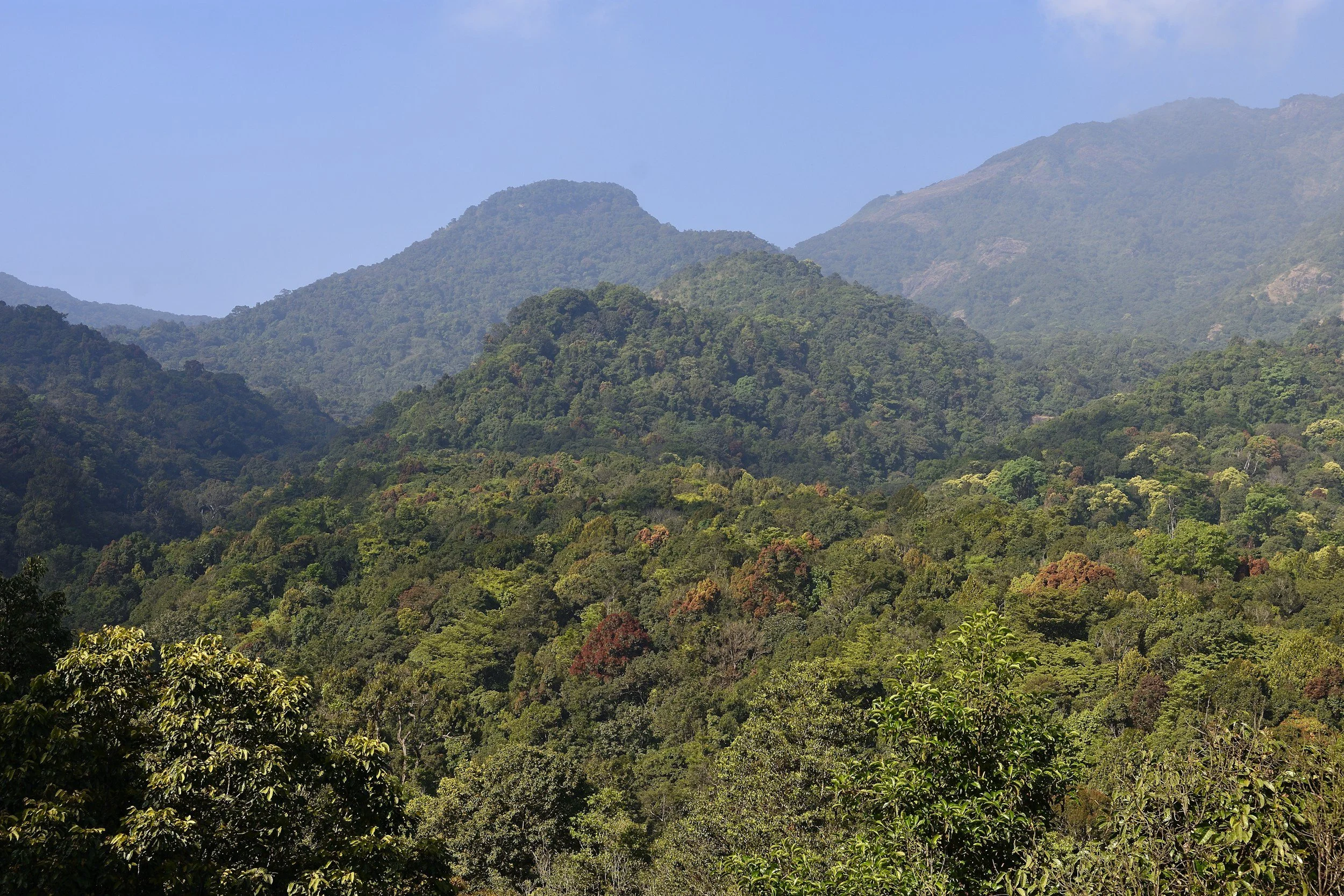
Biodiversity is the fundamental building block of the ecosystem services that support our communities. By monitoring our local species and habitats, we gain a clearer understanding of landscape sustainability and the long-term success of conservation efforts. This session explores how biodiversity data serves as a practical tool for land management, helping to ensure that South Carolina’s natural resources remain stable and productive.
Resilient Shorelines: Increasing the Pace and Scale of Living Shoreline Implementation in Sc
What does a resilient shoreline look like? For coastal South Carolina, it looks like incorporating softer, more natural methods to stop erosion and stabilize the shoreline where appropriate. The Nature Conservancy has been a leader in piloting and testing living shorelines for over 15 years and is now working to increase both the pace and scale of living shoreline implementation. This presentation will cover a brief history of living shorelines in South Carolina and then highlight new initiatives led by The Nature Conservancy, including a largescale living shoreline in Georgetown that is testing new and innovative materials, our longest living shoreline to date in partnership with the Department of Defense, and an innovative grant program to bring living shorelines to under resourced landowners and communities.


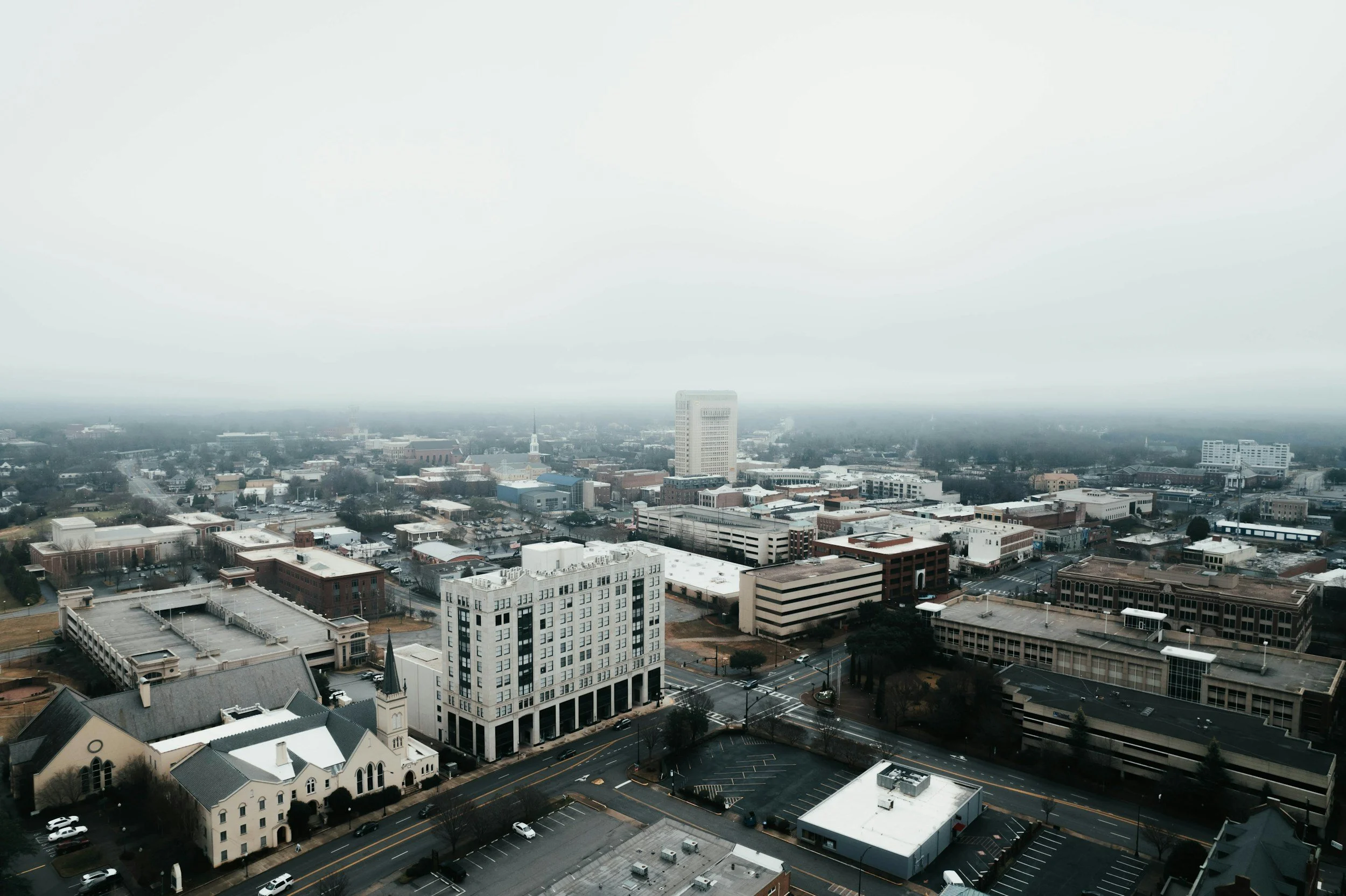
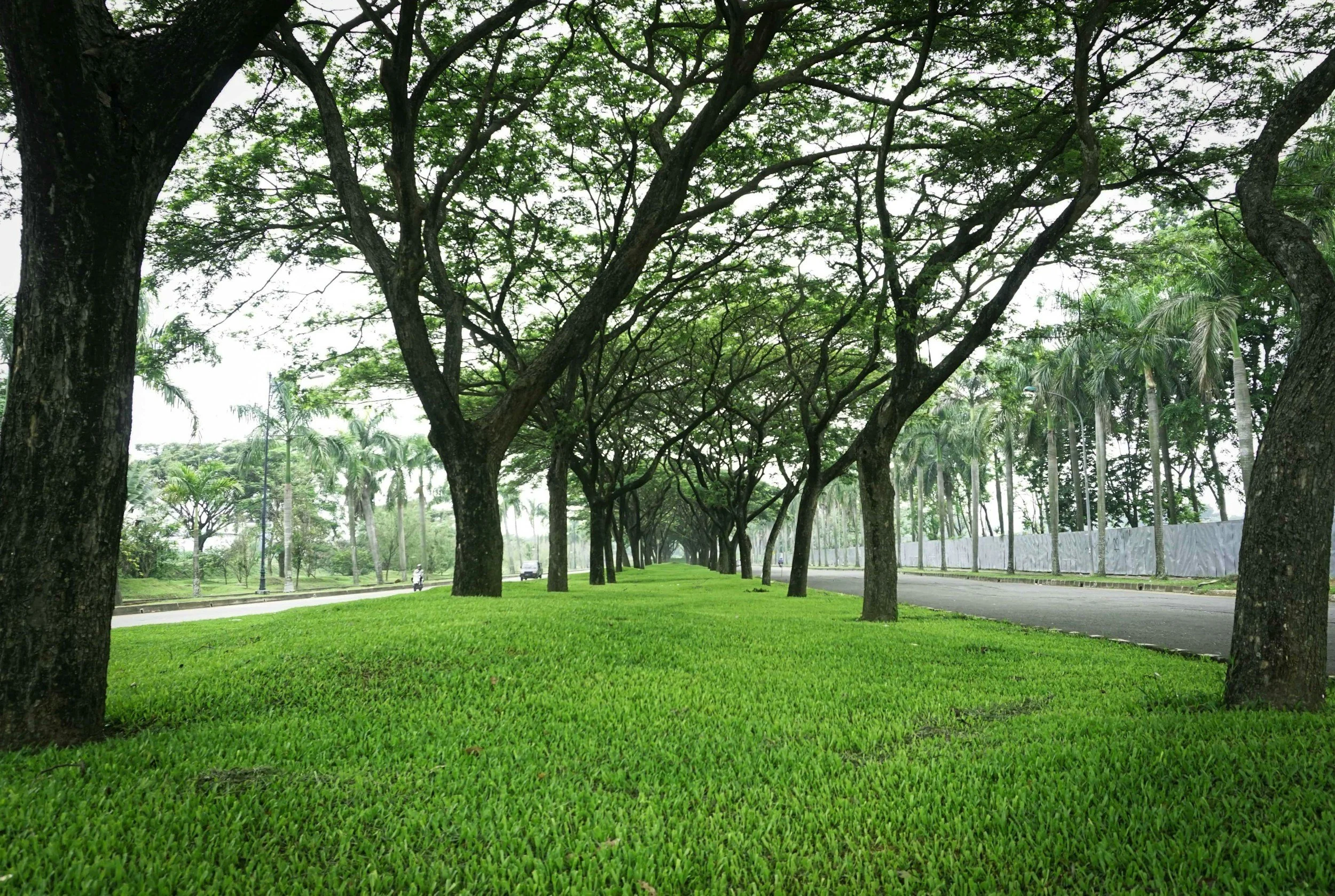
Return to Nature: Native Planting Strategies for a More Biodiverse Industrial Sites - Panel
The panelists will share their methods for ecological restoration of the green spaces and native habitats at the Scout Motors Plant in Blythewood, South Carolina, demonstrating the resulting benefits for the environment, the workforce, and the local community.


More than an Aquarium: A Place of Wellness
Come learn about “Blue Mind” and the audiences that have joined the aquarium’s wellness journey over the past decade. Learn about programs from the mountains to the sea that the South Carolina Aquarium has developed that integrate health and wellness into the experience.
Hurricane Helene – Coordinating Recovery with State, Local, and Voluntary Organizations
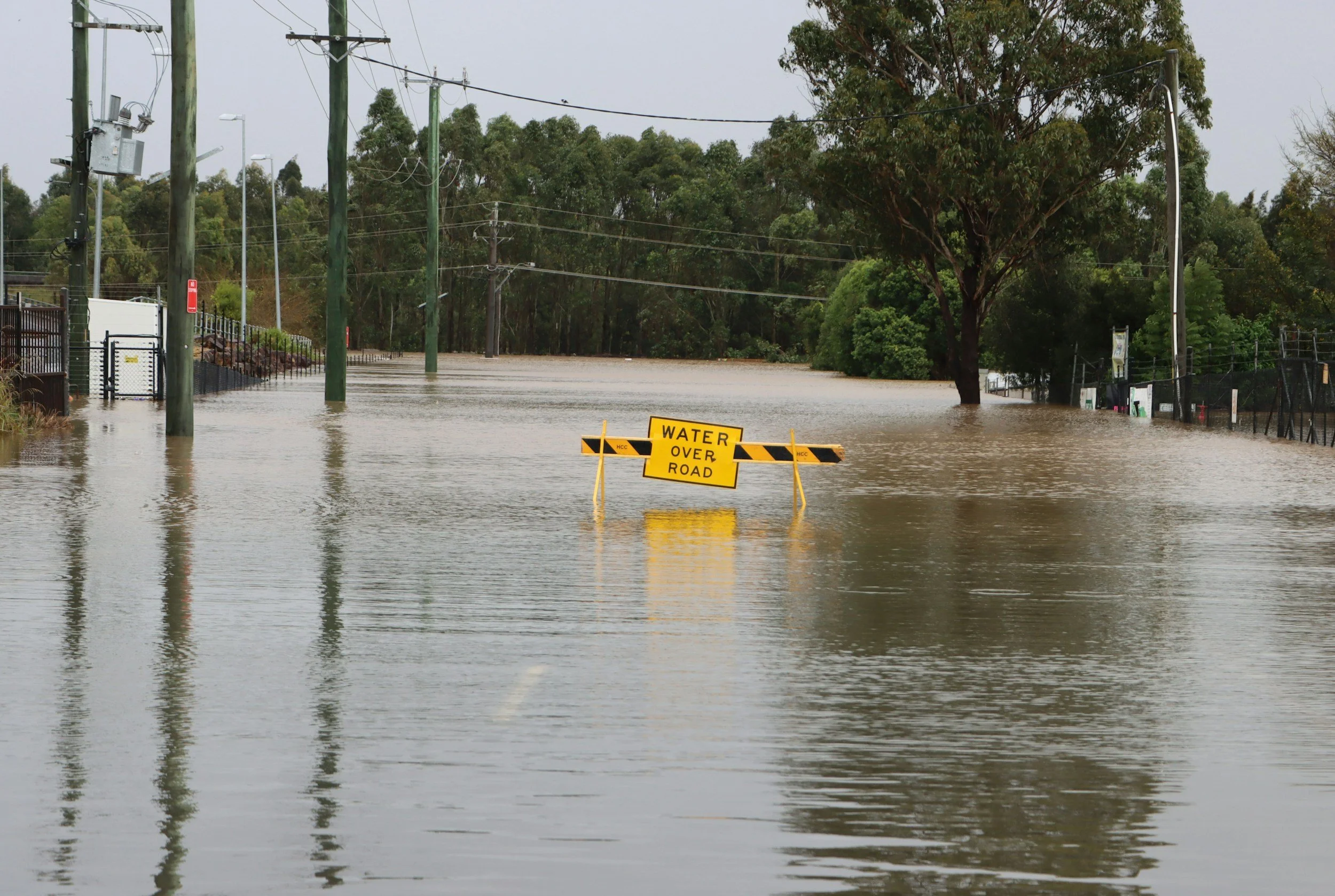
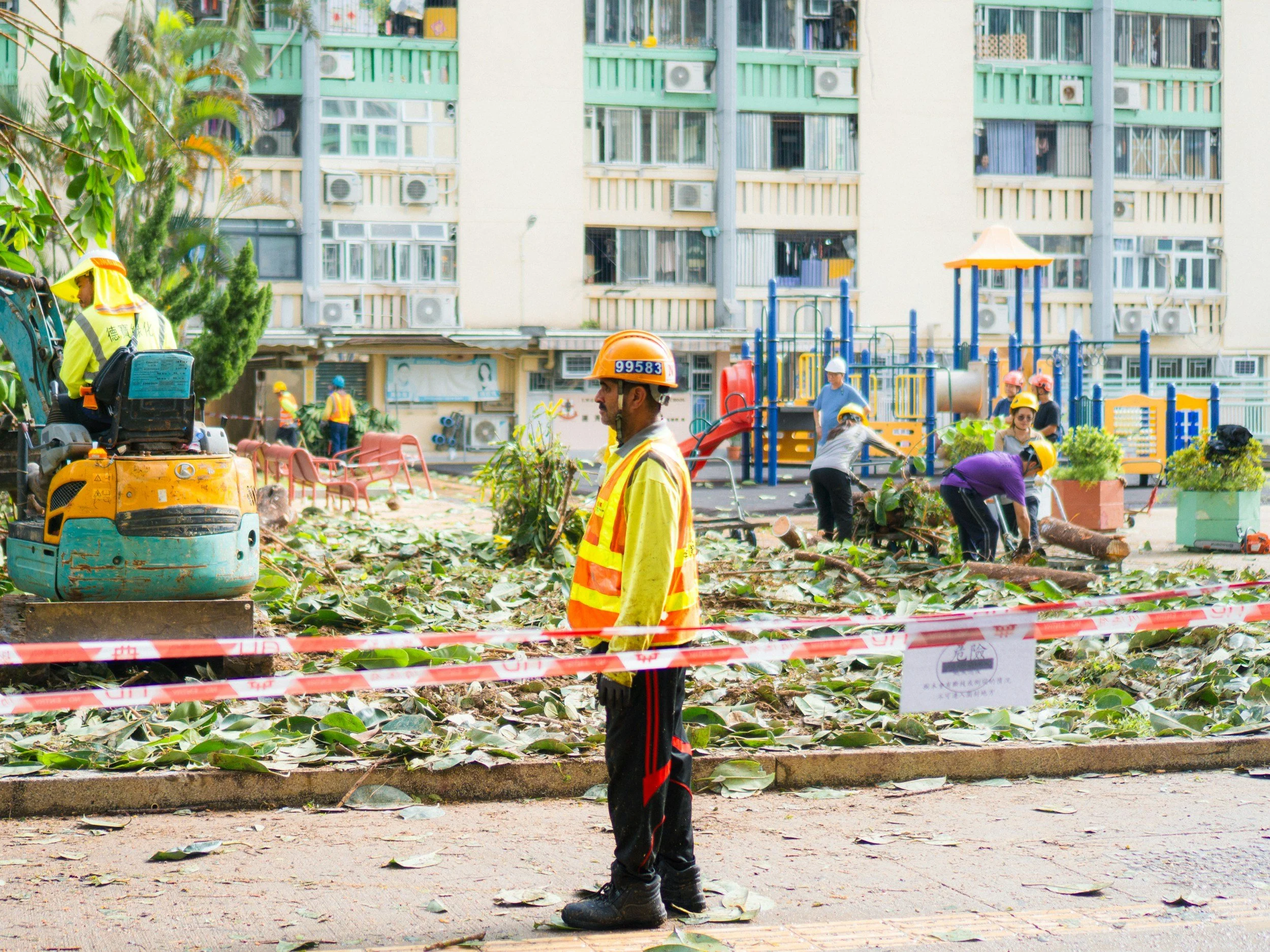
This session will focus on the importance of state-level coordination among government, funding, and nonprofit organizations, drawing on lessons learned from the Hurricane Helene response and recovery. The session will also focus on why building these relationships during 'blue sky' periods enhances the
successes of community organizations during periods of disaster and the critical role played by non-profit organizations during these events.
Resilience Data and Planning Resources from the SC Office of Resilience
In addition to the development, implementation, and maintenance of the Statewide Resilience Plan, the Disaster Relief and Resilience Act (SC Code §48-62-10) charged SCOR with providing technical planning assistance for state and local governmental entities. The Act specifies that the plan should include a strategy for providing resources, technical assistance, and other support to local governments for flood risk reduction efforts. This session will focus on 2 SCOR programs: data coordination and watershed coordination, and dive into resources now available to communities, including the Resilience Atlas, Bridge Box, data coordination efforts, and planning guidance


Commissioned in 1943, the USS Yorktown is an Essex-class aircraft carrier that was converted to an attack aircraft carrier in the 1950s, then to an anti-submarine aircraft carrier in 1957. After being decommissioned in 1970, it was donated to the State of South Carolina “as is” and “without warranty”, and relocated to the Charleston Harbor in 1975. Governor Henry McMaster issued Executive Order 2022-20, which directed the South Carolina Office of Resilience (SCOR) to begin the process of removing hundreds of thousands of gallons of toxic pollutants from the USS Yorktown by commissioning an updated cost study for the project. The project successfully removed more than 1.6 million gallons of hazardous materials and over nine tons of asbestos from the ship. The pollutants were at increasing risk of leaking into Charleston Harbor due to the continued corrosion of the Yorktown's outer hull, posing a major environmental and economic threat to the Lowcountry. Now, the South Carolina Office of Resilience—in partnership with Research Planning Inc, and HEPACO LLC—has removed these contaminants and thus eliminated the risks to nearby communities, economies, and ecosystems.
USS Yorktown Remediation: Saving Charleston Harbor from Environmental Disaster
Transforming Resilience: Becoming Proactive to Protect Your Community
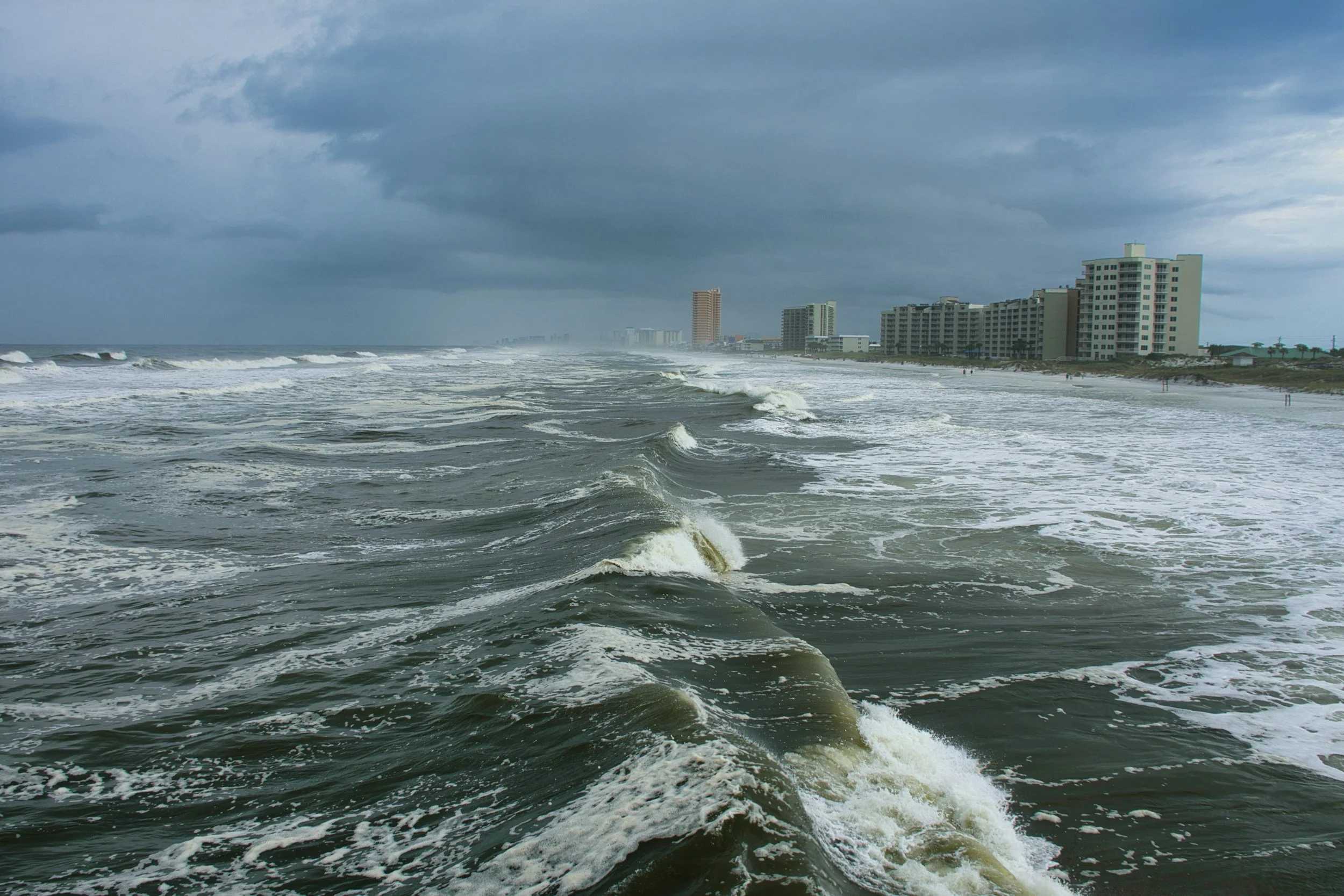
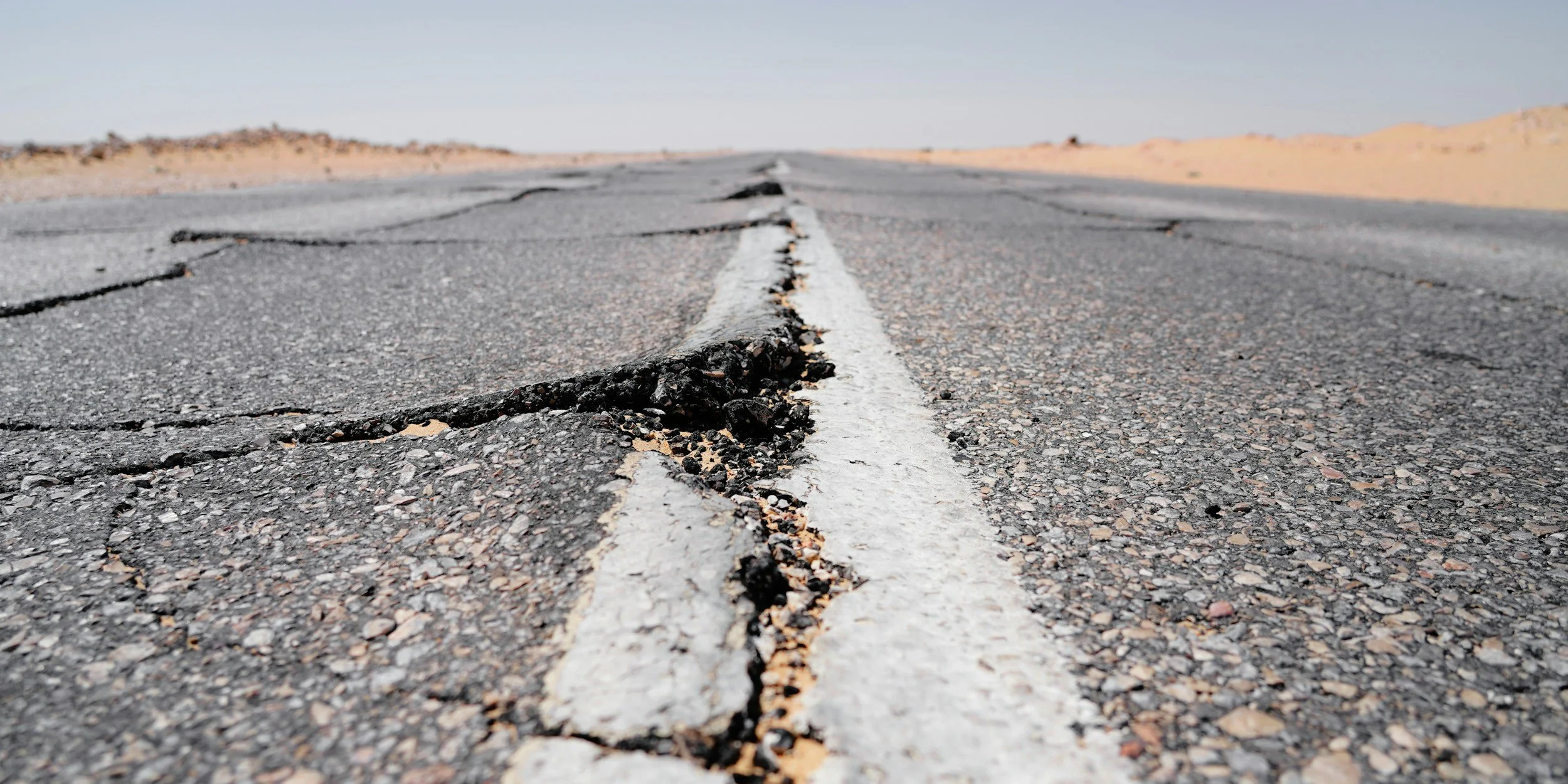
Becoming Proactive to Protect Your Community - Communities throughout South Carolina continue to plan and prepare for adverse events, including floods, hurricanes, earthquakes, and other hazards. This panel discusses the range of proactive measures communities should undertake to anticipate and shape their preparations to "weather" all hazards. In particular, the panel will address how artificial intelligence (AI) applications may accelerate and refine community resilience activities.


Health Is Infrastructure: Why Community Resilience Starts with the Human
When communities talk about resilience, the conversation often centers on infrastructure, environmental protection, and disaster preparedness. Yet one of the most critical forms of infrastructure is often overlooked: human health. Rising rates of chronic illness, metabolic disease, and autoimmune conditions are quietly weakening families, workplaces, and local economies. In this breakout session, David Thedinga, Founder and CEO of Tikvah Health & Wellness, explores how restoring root-cause health, through nutrition, lifestyle, environmental awareness, and whole-person care, can strengthen the resilience of individuals and the communities they live in. Attendees will gain a new perspective on health as a foundational pillar of resilience and discover practical ways employers, municipalities, and organizations can foster healthier,
more thriving populations.
Smart Monitoring of Earthen Infrastructure and Water Systems
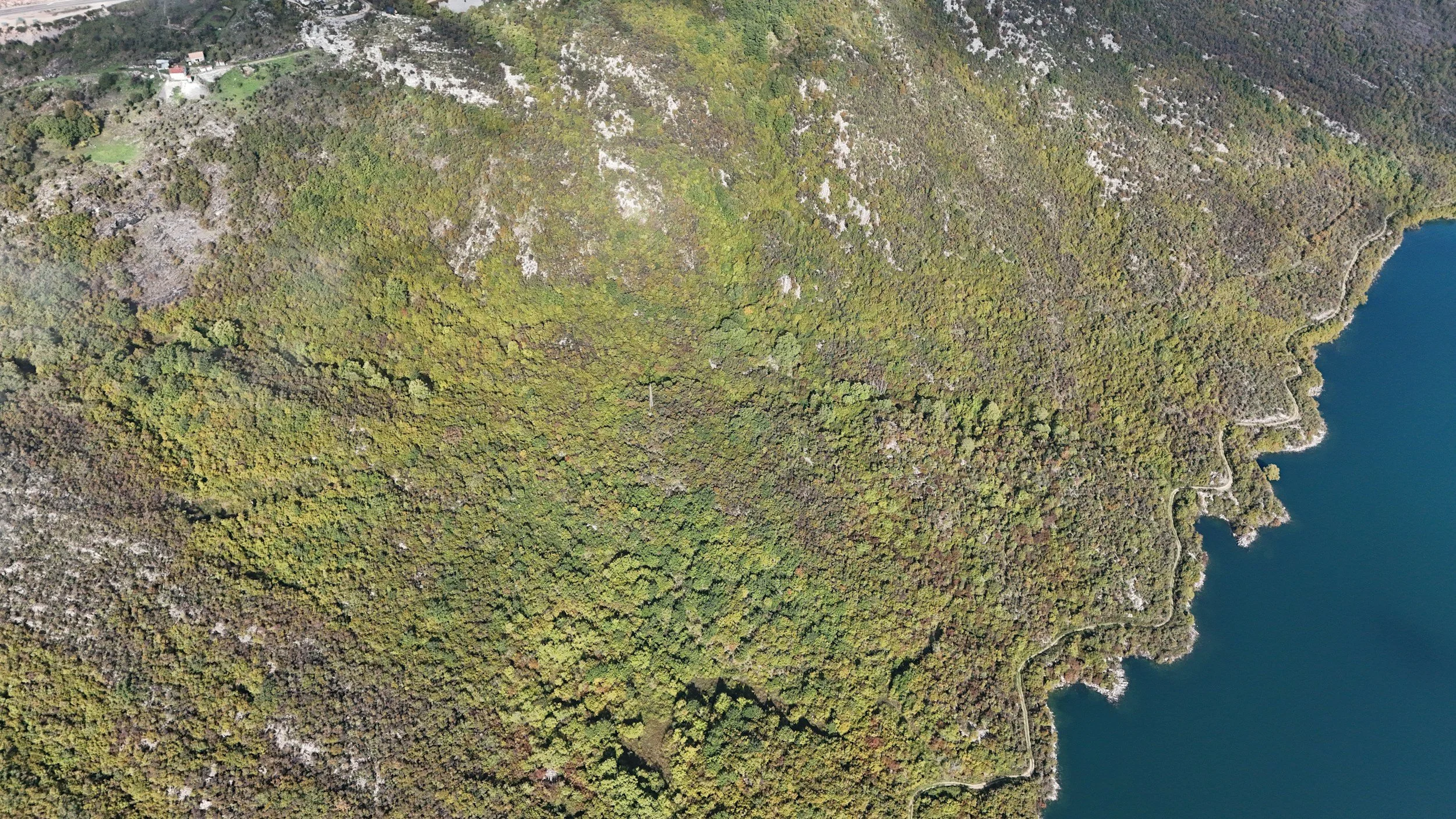
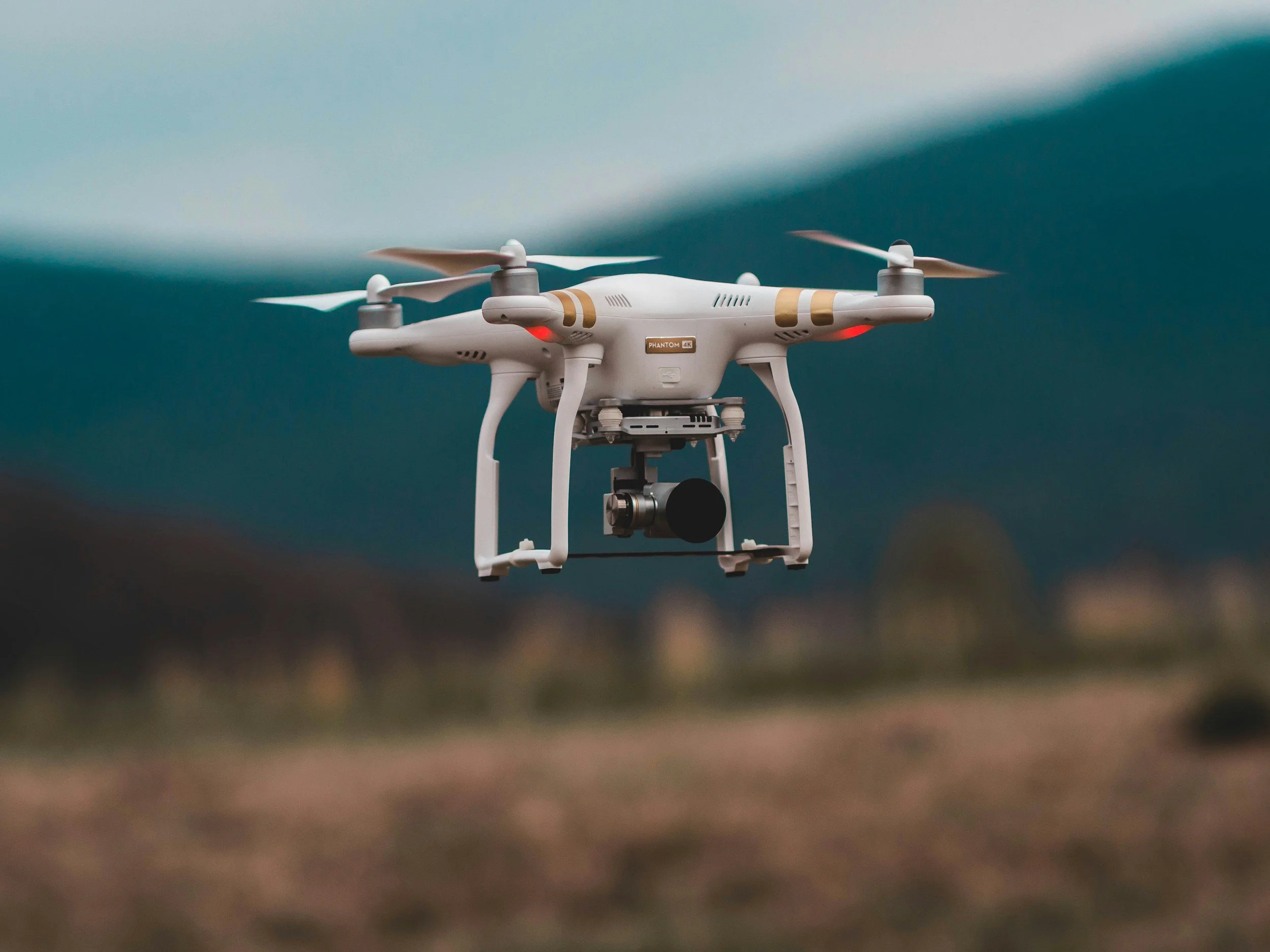
Focusing on the front lines of infrastructure resilience, this session examines emerging technologies for monitoring levees, earthen systems, and water conditions. Speakers will present topology-informed AI approaches for infrastructure assessment, innovative geotechnical sensing spikes for levee monitoring, and continuous water quality monitoring systems using field-deployable and UAV-enabled sensors. The session highlights how integrated sensing and intelligent analytics can provide earlier warnings, better situational awareness, and stronger long-term infrastructure management.
Ethical Applications of AI in Community-Based Hydrologic Modeling for Hazard Mitigation and Resilience
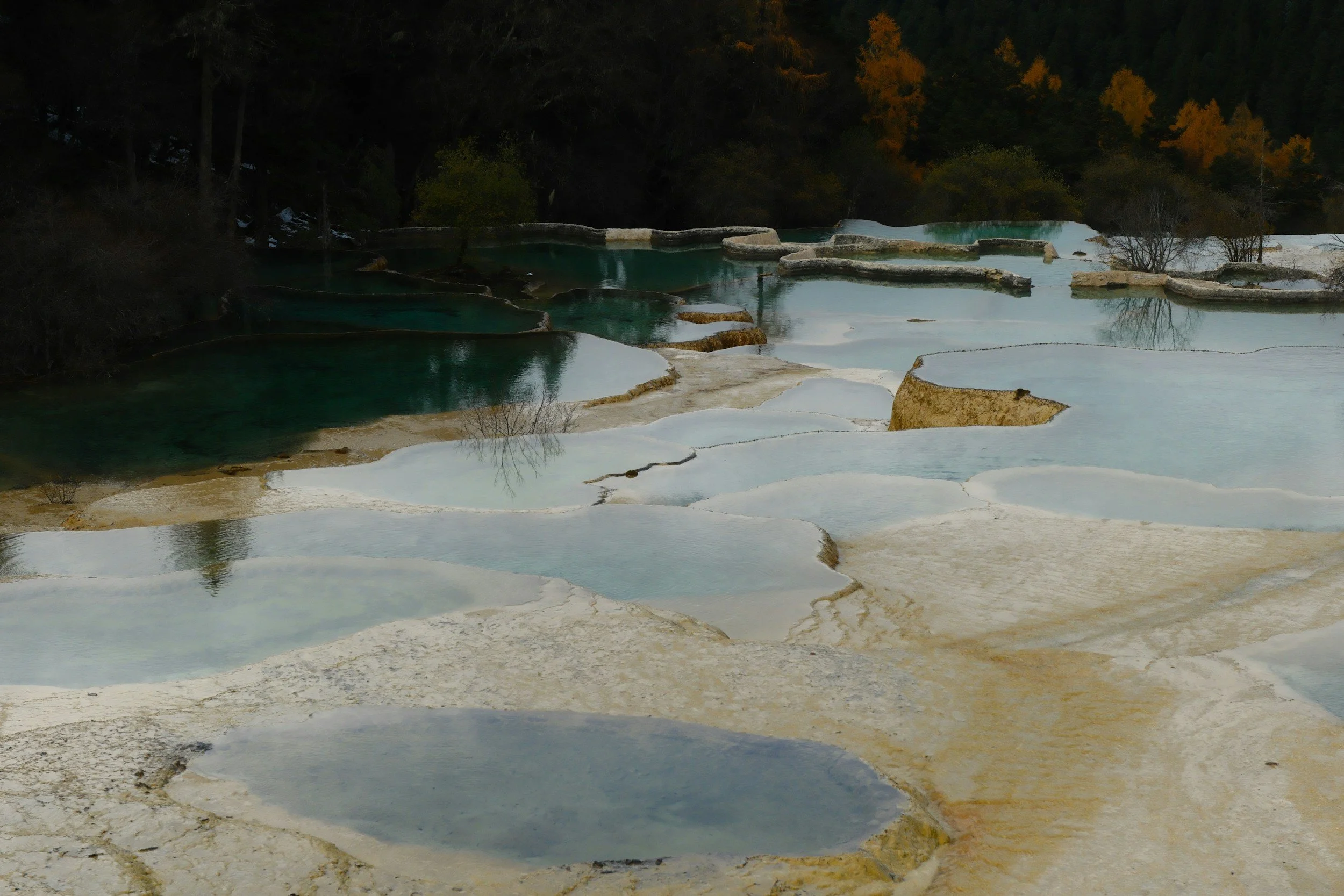
Can artificial intelligence be applied ethically to strengthen community resilience and hazard mitigation efforts? This presentation explores how AI can support community partners in addressing climate-driven environmental change. Our work sits at the intersection of climate science, hydrology, and community impacts, with a focus on translating technical analysis into actionable insights. Drawing on two ongoing projects, one in Alaska and one in South Carolina, we demonstrate how AI tools can enhance planning for future risks. Applications range from modeling shifting river dynamics under climate change to mapping contaminant transport pathways. Across these efforts, AI supports both advanced hydrologic modeling and the development of accessible reports and decision-support materials for community stakeholders.


Centering on the growing role of UAV-based systems in disaster response and infrastructure evaluation, presentations will cover edge-enabled adaptive sampling for UAV-deployable water height sensors and aerial systems designed for post-event structural inspection. Together, these talks showcase how mobile, rapidly deployable sensing platforms can accelerate data collection, improve safety, and enhance damage assessment during and after flood events.
UAV-Deployable Sensing for Flood Assessment and Infrastructure Inspection
Edge AI, Digital Twins, and Data Assimilation for Flood Resilience
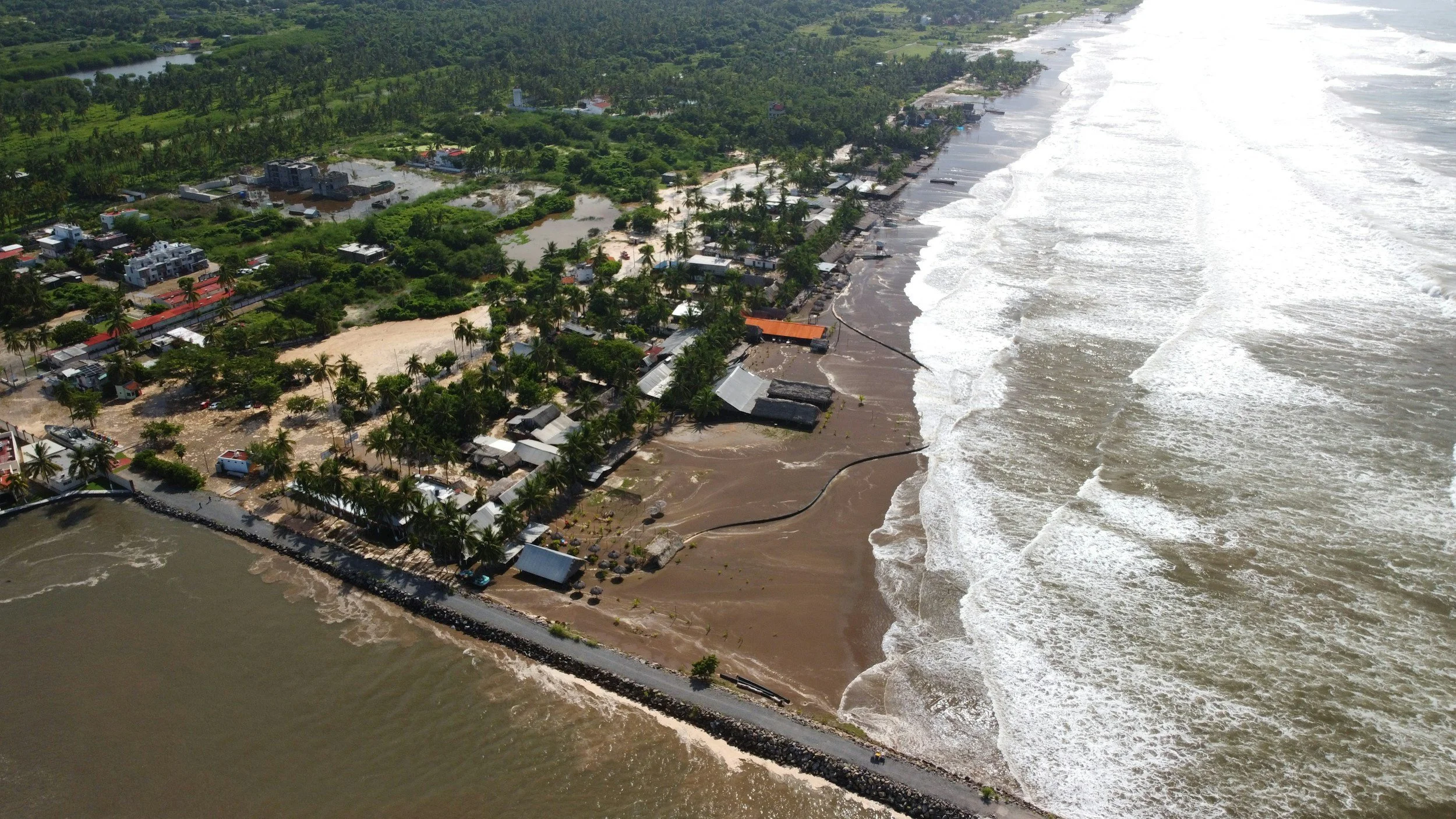

New sensing technologies, edge computing systems, and digital twin frameworks are changing how flood risks are monitored and managed. This panel brings together researchers, practitioners, and state officials to discuss how real-time data streams, distributed sensors, and data assimilation methods can improve flood forecasting and infrastructure monitoring. The discussion showcases emerging technologies and practical perspectives from engineering practice and dam safety management in South Carolina.
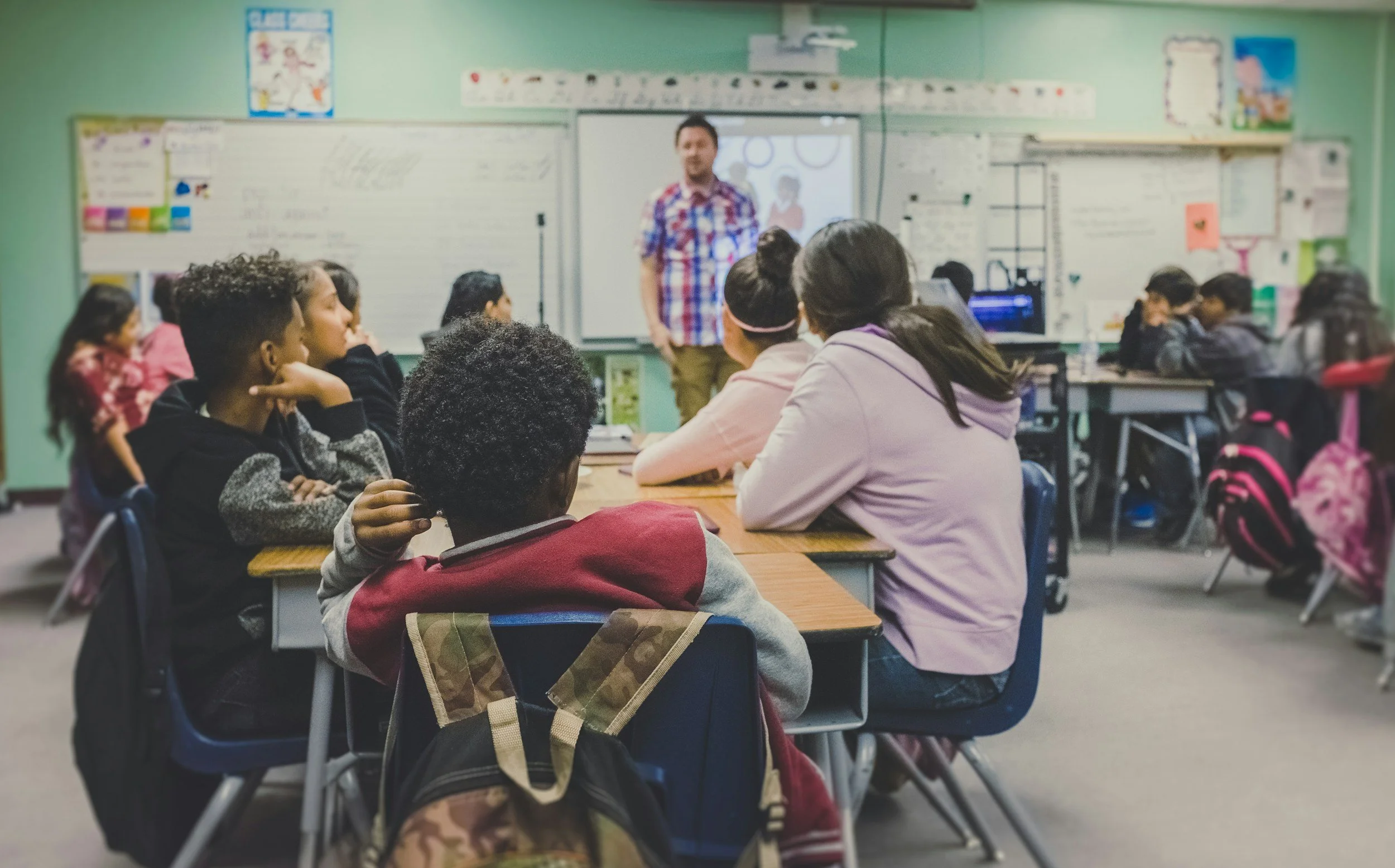

In an era where artificial intelligence is rapidly transforming the skills students need to succeed, schools must double down on what makes us uniquely human. This session explores how outdoor, experiential learning cultivates critical thinking, creativity, resilience, and collaboration - skills that cannot be automated. Participants will gain practical strategies for implementing outdoor pedagogy across grade levels, designing and funding outdoor classroom spaces, and leveraging field-based learning experiences that spark curiosity and deepen understanding. Grounded in both research and real-world application, this session will highlight how nature-rich learning environments improve student mental health, increase engagement, and restore joy in both teaching and learning. Attendees will leave with actionable ideas to integrate outdoor learning into their local schools, creating environments where students not only achieve, but thrive.
Rooted in Nature: Building Resilient Students and Schools in an Age of AI
This session explores how advanced modeling and artificial intelligence are transforming flood risk analysis and emergency decision-making. Presentations will highlight probabilistic flood risk modeling, rapid prediction of dam and levee breach scenarios, and reinforcement learning approaches for adaptive traffic control during urban flooding. Together, these talks demonstrate how data-driven tools can move communities from risk assessment to actionable, real-time response strategies that reduce impacts and improve resilience.
FROM FLOOD RISK TO REAL-TIME RESPONSE: AI FOR PREDICTION AND DECISION SUPPORT
Well 2 Serve
From climbing utility poles to building one of the Southeast’s most iconic communities, this talk shares a journey of grit, risk, and resilience. After losing nearly everything during the financial crisis, the speaker reveals the deeper lesson: success isn’t about what you build—it’s about purpose. Honest and inspiring, this session challenges what it really means to serve well.